· 4 min read
Is your safety risk management strategy outdated? 5 key warning signs
By Michael Sidler, Founder, RISE

In aviation, safety is the top priority. But an outdated Safety Risk Management strategy can put your operations at risk. Even if your safety protocols were effective last year, they might no longer be sufficient in the face of evolving risks, new technologies, and changing operational environments. Whether you're running corporate or private aviation operations, staying ahead of emerging threats and industry changes is essential.
Recognizing when your Safety Risk Management Strategy needs attention is critical to maintaining a proactive safety culture. Let's explore a few clear indicators that it’s time to revisit and update your strategy. Addressing these signs promptly will help you safeguard your operations, adapt to industry advancements, and stay ahead of potential risks.
- Your Team Isn’t Engaged in the Risk Management Process
An effective Safety Risk Management strategy requires active participation from all team members, management and staff alike. If your pilots and staff are disengaged or not regularly involved in safety meetings, training, or feedback processes, your strategy may be falling short. Your strategy should foster a safety culture where everyone takes responsibility for managing risks.Tip: Establish a rotating leadership system for your quarterly safety meetings and training sessions, giving team members from various roles the opportunity to lead. This approach promotes a sense of ownership in safety responsibilities and brings diverse perspectives to risk discussions. Regular safety meetings are essential, so if they’re not already part of your strategy, now is the time to implement them.
- Your Strategy Isn’t Aligned with Current Operations
If your Safety Risk Management strategy was designed years ago and hasn’t been updated to reflect changes in your fleet, personnel, or operational risk profile, it’s time for a reassessment. Your strategy should evolve with your business, whether it’s expanding routes, adding new aircraft, or integrating new team members. The risks your operation faces now may be very different from those you dealt with when your current plan was first put in place.Tip: Set up a cross-departmental task force to review operational changes and ensure your safety strategy addresses current risks. This collaborative approach ensures updates reflect real-world conditions and aren’t limited to a single perspective.
- You’ve Experienced an Increase in Near-Misses or Incidents
A rise in near-misses or safety incidents is a red flag that your current strategy may not be effectively identifying and mitigating risks. This trend could suggest gaps in hazard reporting, risk assessment, or proactive measures. An effective Safety Risk Management plan should be dynamic, addressing risks before they escalate. If incidents are increasing, it’s critical to reassess and strengthen your strategy to address emerging or overlooked threats.
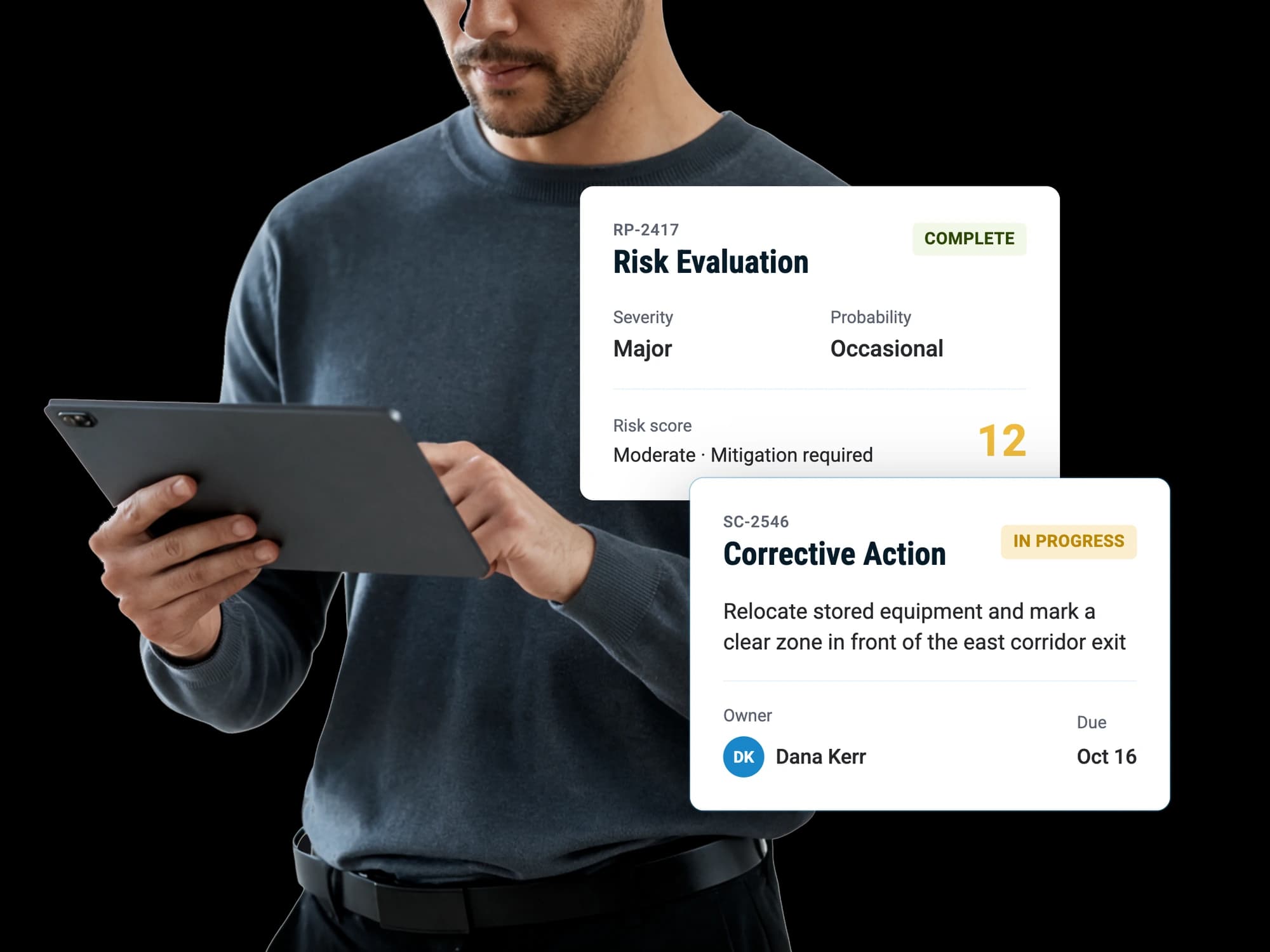
Tip: Investigate near-misses within 48 hours to ensure key details are captured while they’re still fresh. Engage your team in identifying root causes and collaborate to implement corrective actions. Use regular debriefs to uncover lessons learned and continuously refine your safety measures. With the Safety Assurance module inRISE, you can perform comprehensive root cause analyses and develop corrective action plans with specific, trackable tasks assigned to key individuals to ensure follow-through.
- You’re Not Using Technology to Track and Manage Risks
Outdated methods like paper logs or spreadsheets leave room for errors, inefficiencies, and missed opportunities to improve safety. In today’s aviation landscape, technology is a critical tool for effective risk management. An advanced Aviation Safety Management System (SMS) can streamline your risk tracking, hazard reporting, and data analysis, providing real-time insights into safety performance. This allows you to identify trends, measure performance, and address risks proactively before they escalate.Tip: Define Safety Performance Indicators (SPIs), such as the frequency of near-misses or the average time to resolve safety issues, and pair them with Safety Performance Targets (SPTs) that align with your operational goals. Use the insights from your SMS platform to monitor these metrics and make data-driven adjustments to improve safety outcomes.
- Your Strategy Doesn’t Include New Industry Standards or Regulations
Aviation safety standards and regulations are constantly evolving to address emerging risks and industry advancements. If your Safety Risk Management strategy hasn’t been updated to reflect the latest standards or best practices, it may no longer match the risks your operation faces. Keeping your strategy current demonstrates a commitment to maintaining the highest safety standards.Tip: Establish a recurring review process to stay updated on changes to the standards your operation follows. Regularly incorporate updates, including new regulatory material and industry practices, into your strategy. Assign a compliance officer or use a compliance management tool to track regulatory updates, assess their impact, and integrate them into your Safety Risk Management plan.
In Conclusion
An effective Safety Risk Management strategy is part of your safety culture, not a one-and-done document. It is a living and evolving process that keeps your operations safe, compliant, and resilient. Regular updates ensure your team is equipped to identify and manage risks proactively, avoiding potential safety issues before they arise.
Is your Safety Risk Management strategy ready for today’s challenges? Don’t leave it to chance: schedule a demo of our Safety Management System (SMS) software today. Our technology helps you stay ahead of risks, keep safety records in one place, and foster a culture of safety.
By combining an up-to-date Safety Risk Management strategy with the right tools, you’ll set the foundation for safer, more efficient operations, and that’s an investment that protects your team, your aircraft, and your reputation. Stay proactive, stay safe, and keep your operation soaring to new heights.