Manufacturing
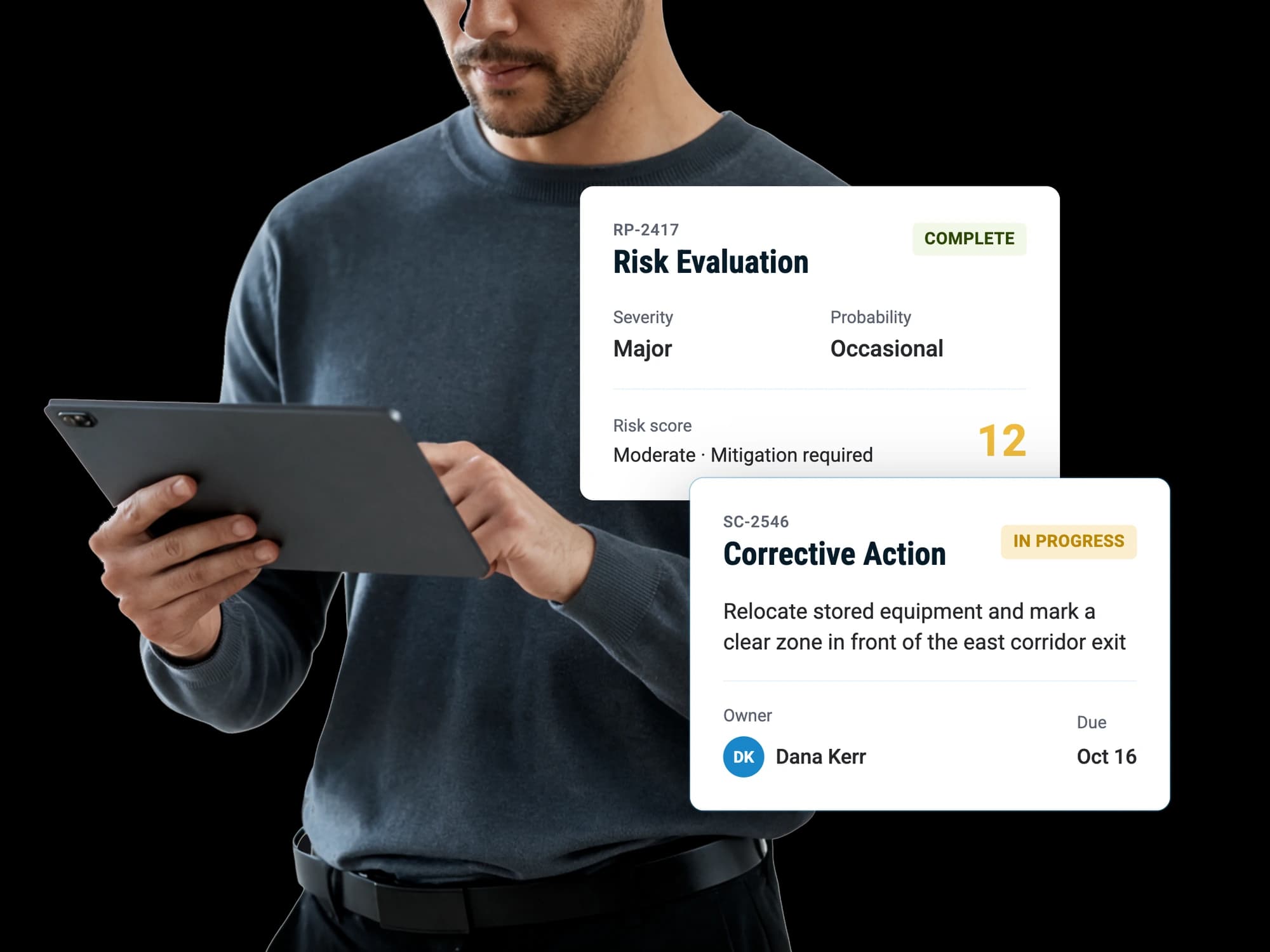
Safety management on the line
Plants, production lines and industrial operations. Line-level hazards and plant-level trends in one place, without a spreadsheet in between.
Manufacturing
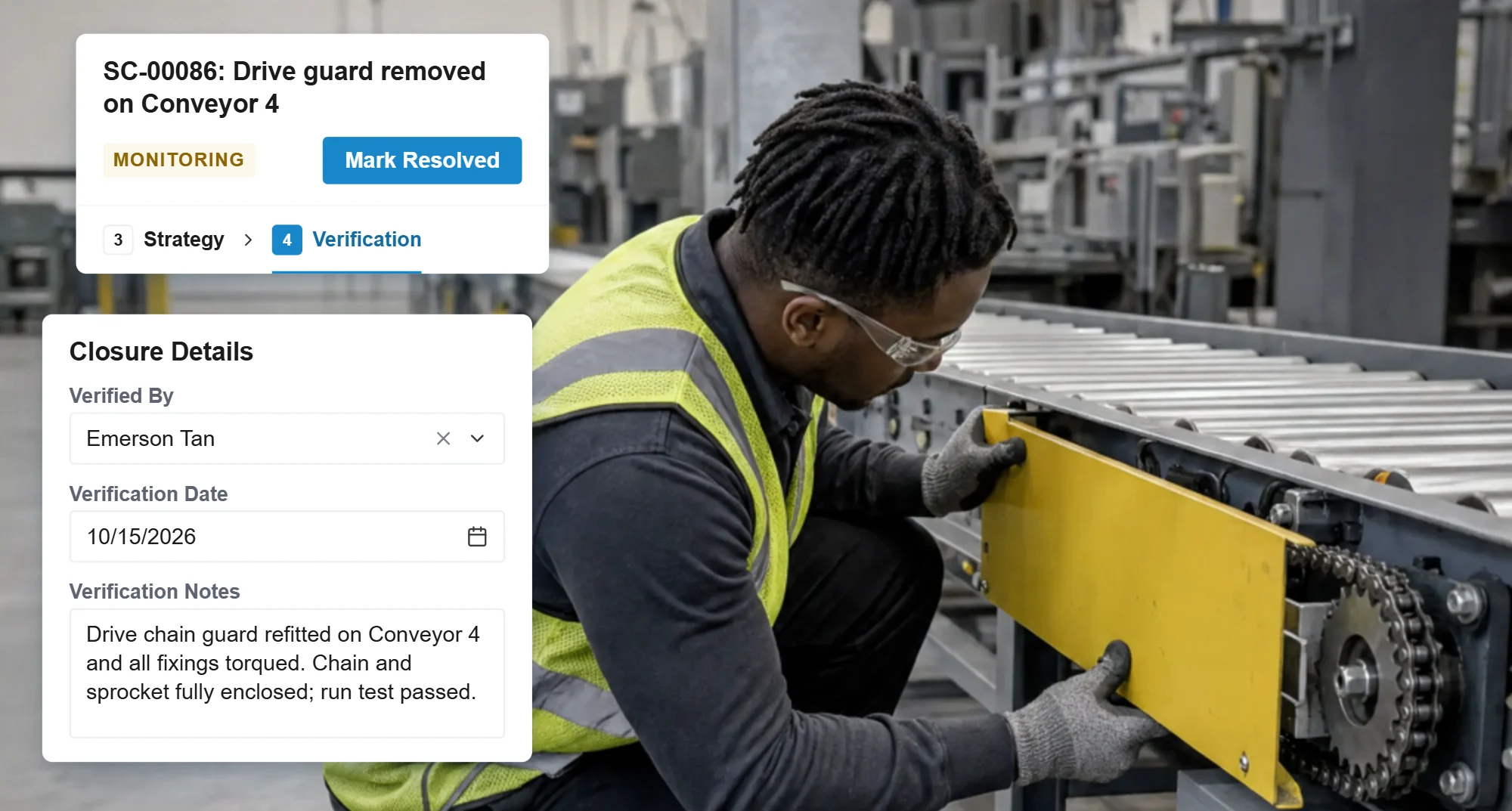
Plants, production lines and industrial operations. Line-level hazards and plant-level trends in one place, without a spreadsheet in between.
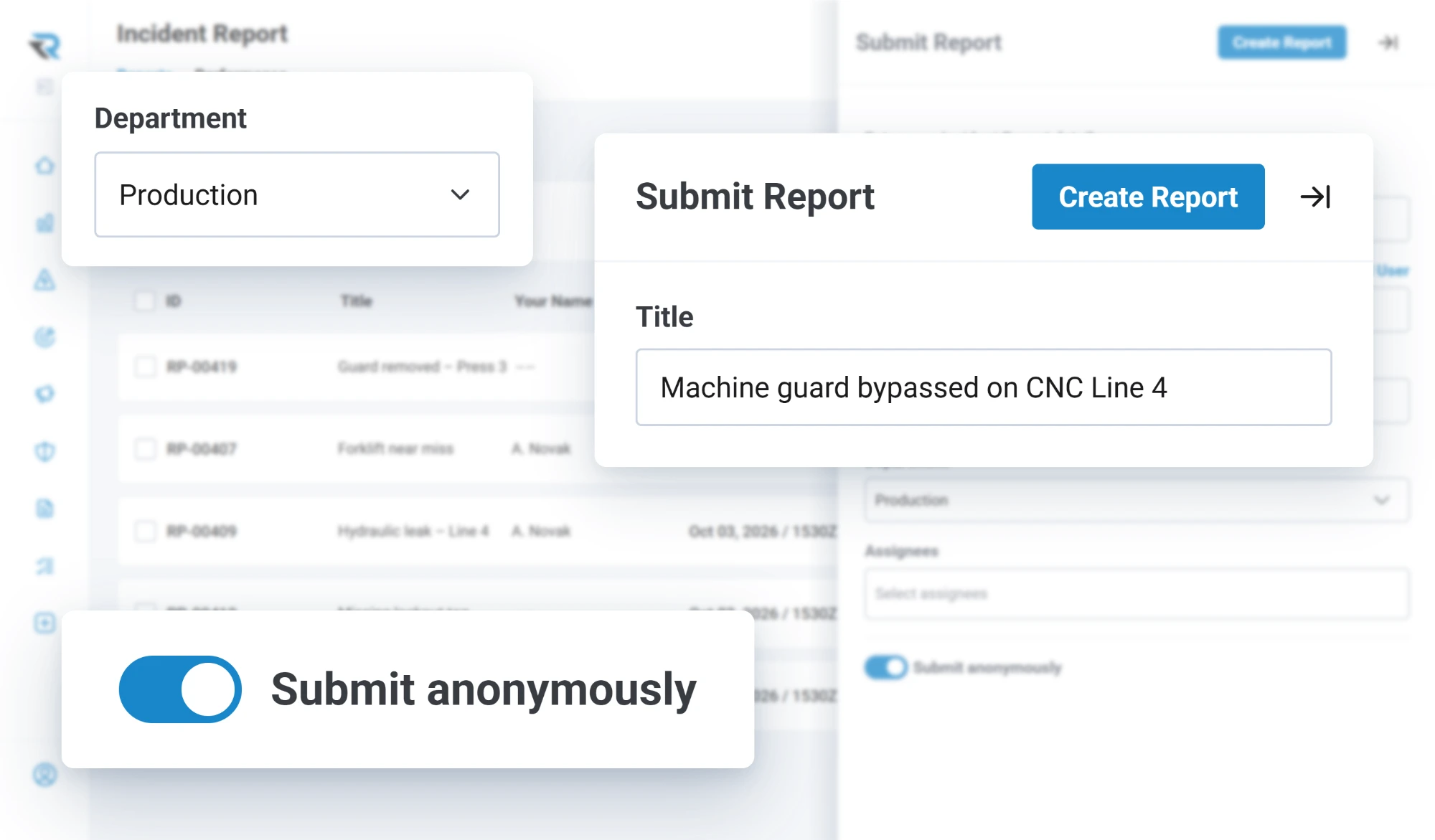
Accessible reporting
Raised at the machine by the operator, from a phone or a shared terminal, without leaving the line.
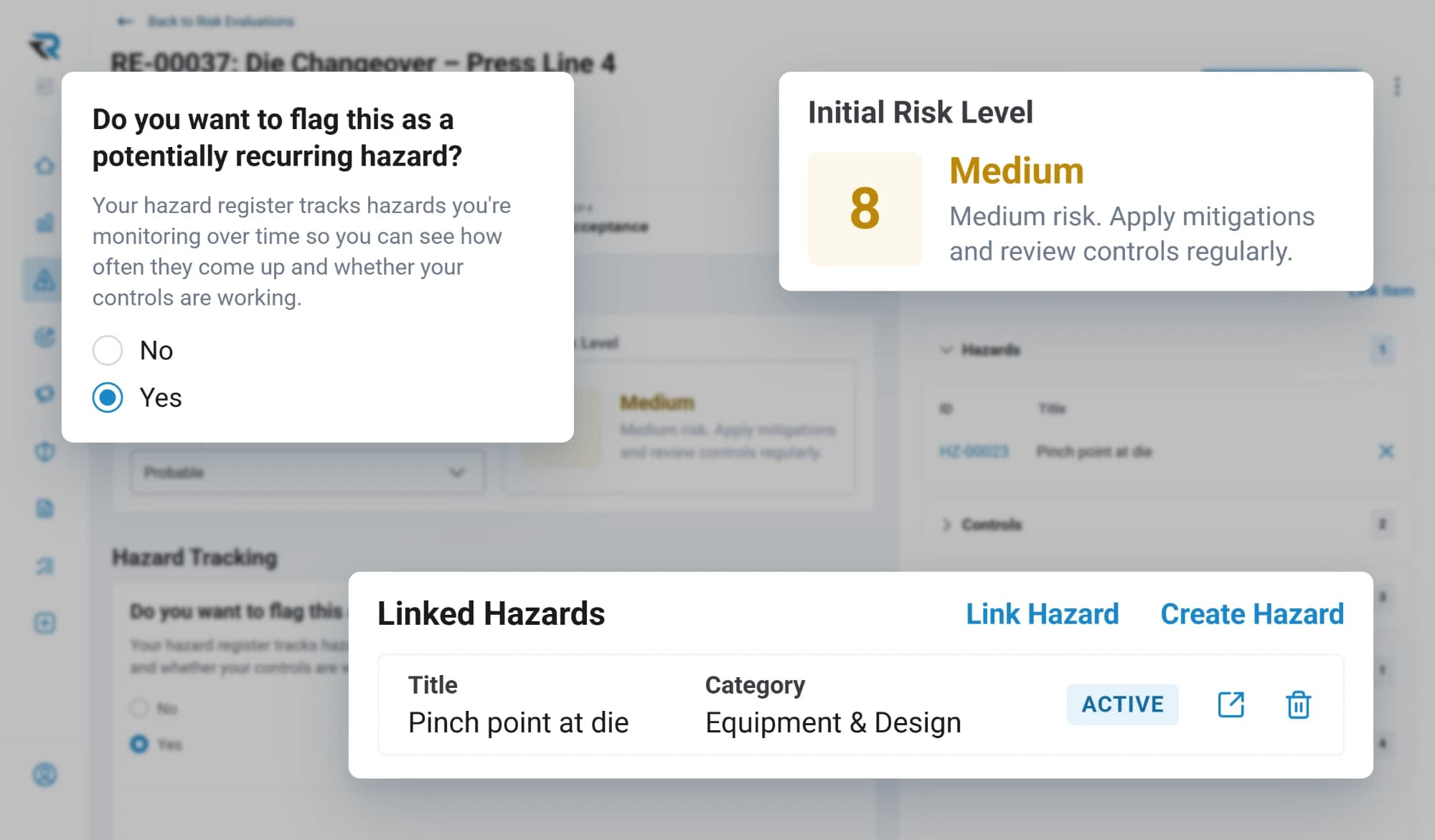
Structured evaluation
Every report goes through the same process: risk triaged, severity and probability assessed, a strategy set, and acceptance documented as you go. The same on every shift and every line.
Systematic resolution
An owner, a date and an action plan, tracked to closure with the fix verified rather than assumed.
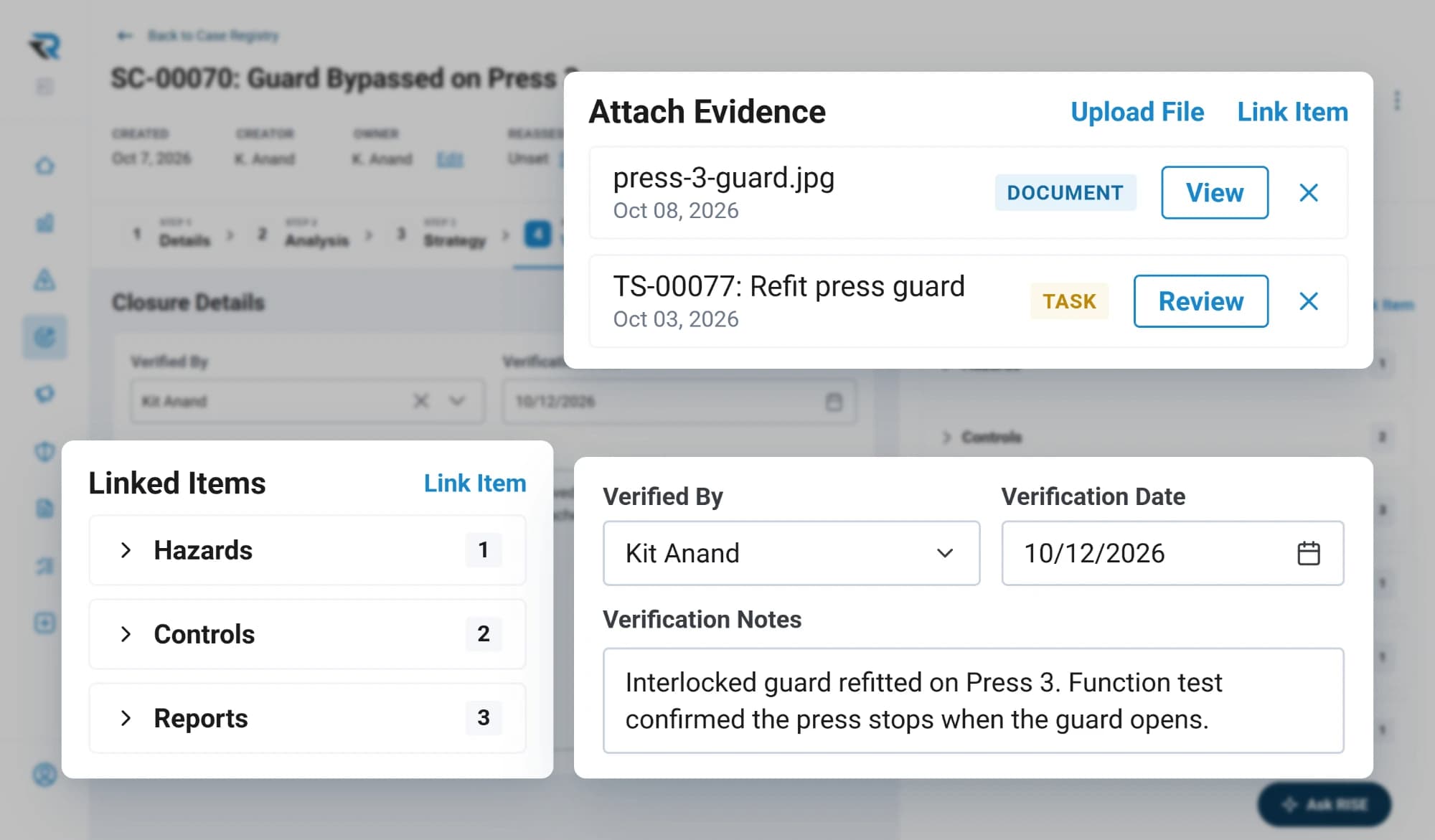
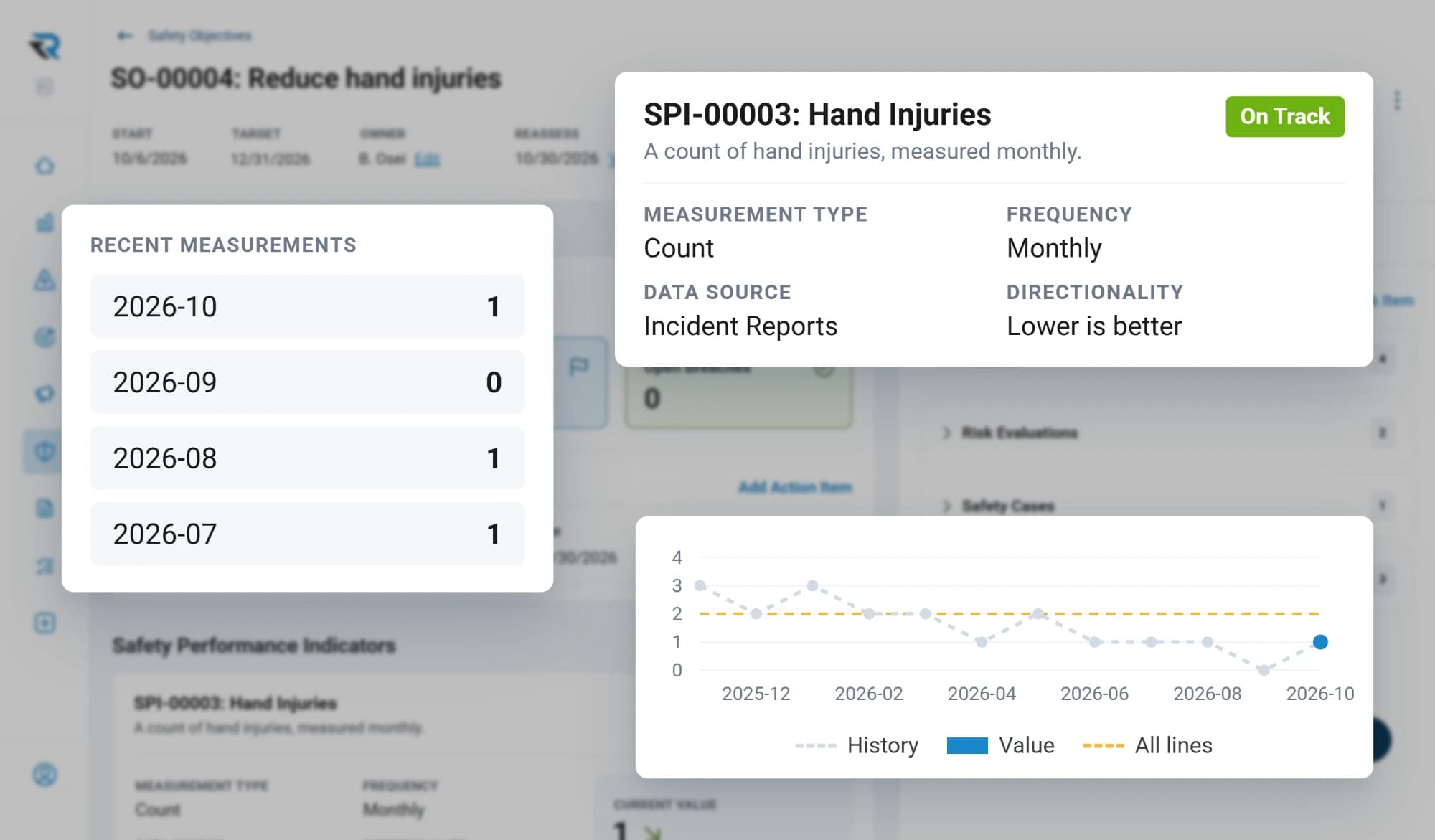
Proactive insight
Rates by line, shift, cell and process, so a recurring hazard is visible before it becomes downtime or worse.
The parts described above are the ones this operation meets first. This is the rest of what an account carries.
What the operation has committed to, and how it knows it is getting there.
Everything raised across the operation, by anybody, from wherever the work happens.
Judging what could go wrong, deciding what to do about it, and recording who accepted what.
Checking the controls are working, and driving what you find through to a verified closure.
Making sure the people doing the work know what was found and what changed because of it.
The parts that are not one step of the program but sit underneath all of them.
What sets us apart
The account arrives seeded with forms and templates built for manufacturing, so you open it to a working system rather than a blank slate. From there every one of them is yours to change: the forms, the audit and inspection templates and the risk thresholds, with the process around them already built.
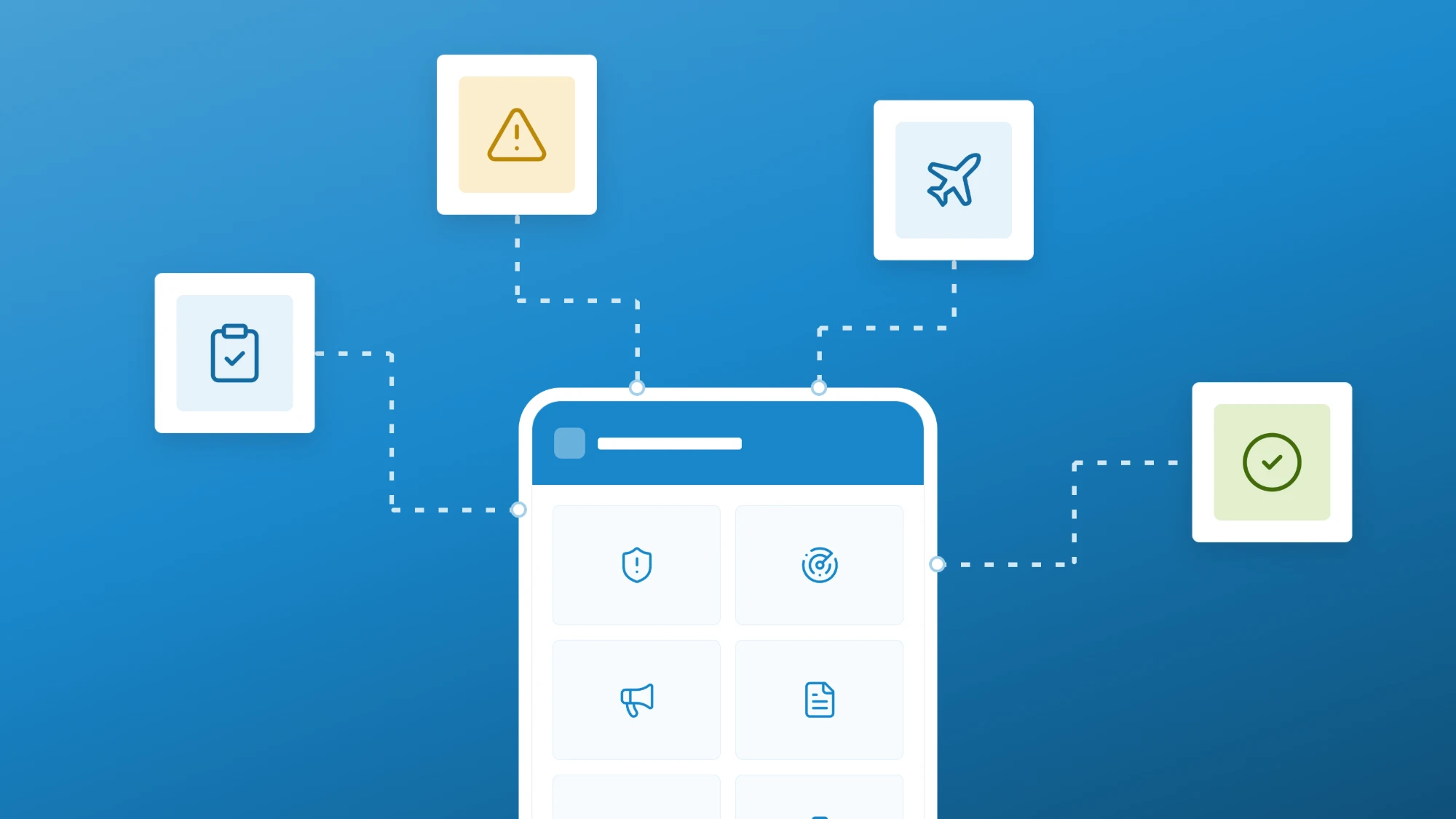
Everything in one place, and simple enough that the people closest to the work will actually use it, on any device.
An SMS with nothing in it tells you nothing, and adoption is where most safety software quietly fails.
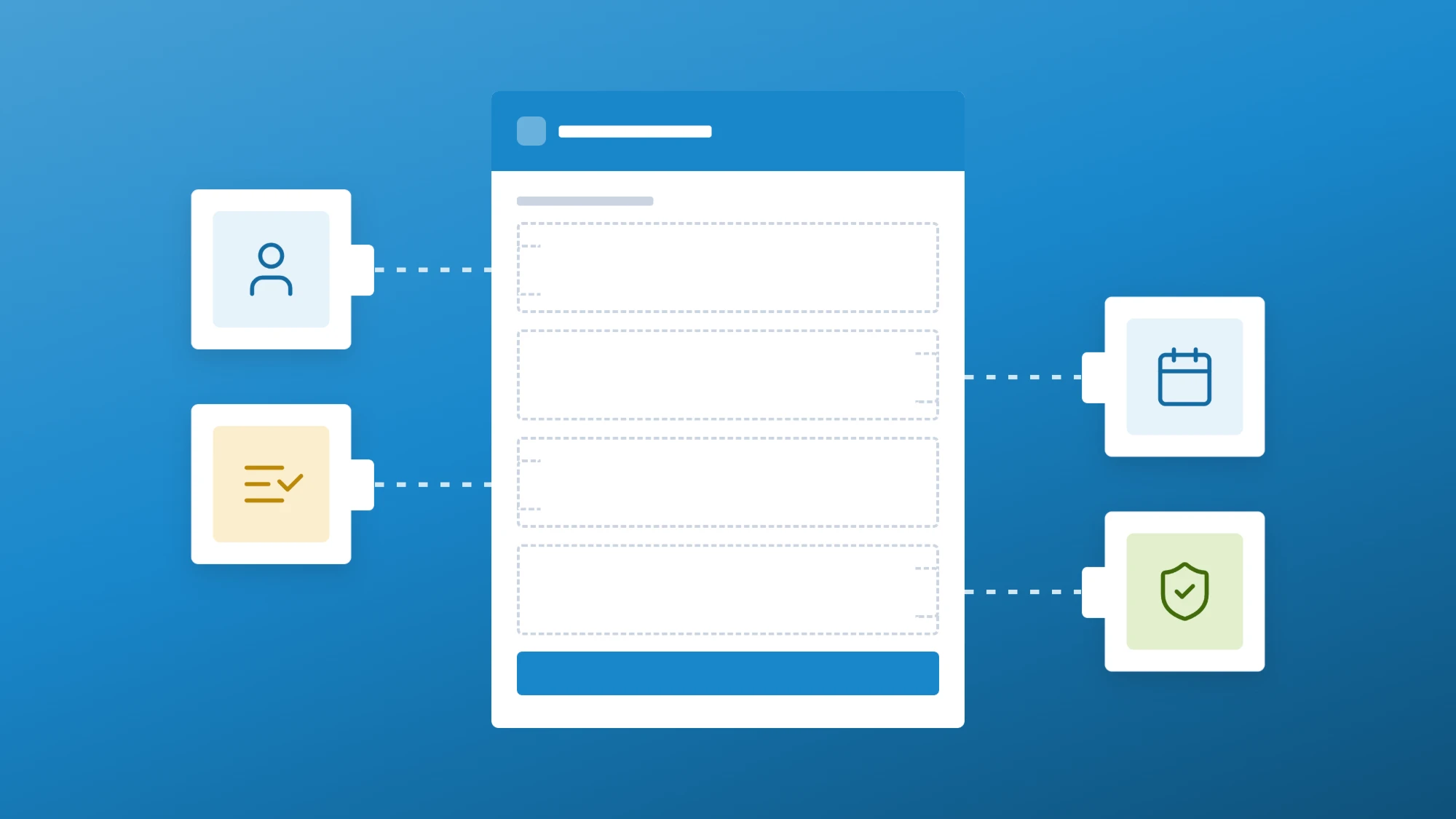
Your forms, your risk thresholds, your templates, with an owner, a date, an action plan and verification for closure already around them.
Rigid tools make you work their way; blank ones leave you to invent the process, which is how the spreadsheet happened.
Ask what is trending, where tasks are slipping, or what needs attention this week, you'll get answers straight from your own records.
Every safety system can tell you what you stored; making sense of it is the part most solutions still leave to you.
Questions
Yes. The account is seeded with templates built for manufacturing, so you open it to a working system rather than a blank slate. From there it is all yours to change: the forms, the audit and inspection templates, and the scoring thresholds, so the system ends up describing how your operation works rather than how somebody else's does.
Yes. The wording adapts to the industry on your account, and everything you build inside it is yours to word however your operation words it: the forms, the templates and the questions people answer in the field.
Yes. Put a QR code where the work happens and somebody can scan it, fill in the form and submit, with no login and on whatever device they are carrying. Submission can be anonymous, decided by the person reporting at the moment they file it.
The record as it was built, not as it was reconstructed. Every report, the evaluation and who accepted the risk, the corrective action with its owner and date, the verification that closed it, and an activity log showing who changed what and when.
Resources
Practical documents you can use whether or not you ever talk to us.
Other industries
A guided walkthrough of how RISE handles reporting, evaluation, resolution and insight, with time to talk about how your own operation runs today.