DOW Aviation · Corporate flight department
From printed spreadsheets to facts in the room
Printed spreadsheets replaced by assessments that arrive with the flight plan, and recommendations made with data behind them.


DOW Aviation · Corporate flight department
Printed spreadsheets replaced by assessments that arrive with the flight plan, and recommendations made with data behind them.
“Other risk software in the market held the keys to customizing their forms, and making changes would take days. With RISE, the control is in our hands, and we can make adjustments at will.”
Pilots ran their risk assessments on printed spreadsheets. Reviewing the factors on one was slow, and seeing a pattern across a season of them was close to impossible, because nothing was anywhere you could look at it all at once.
Sifting that data by hand took time nobody had, which made a proactive measure hard to argue for and harder to evidence once argued.
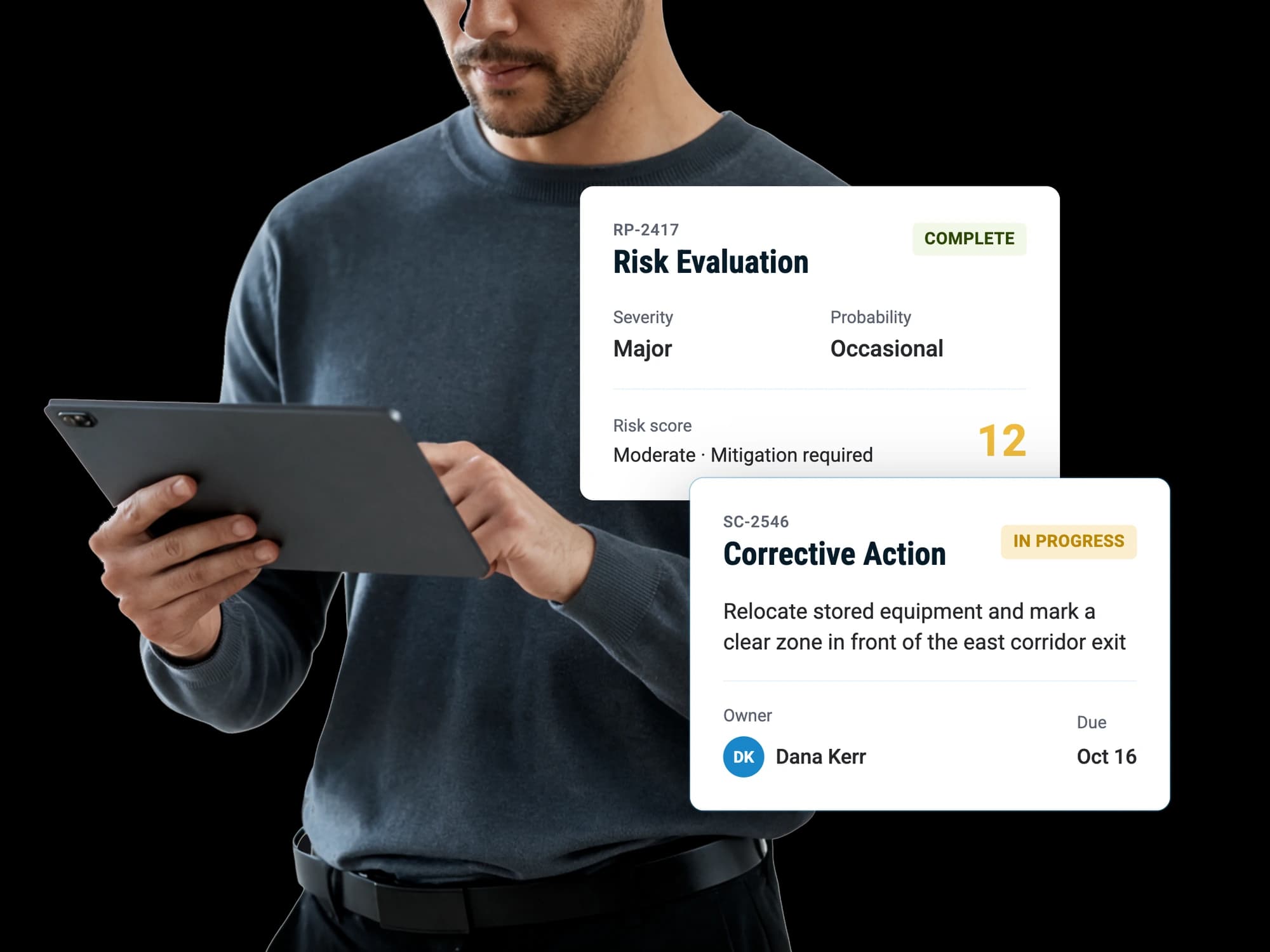
RISE connects to ForeFlight Dispatch, so the assessment is raised from the flight plan and reaches the crew without anybody remembering to send it. Removing the step that gets skipped is most of what makes an assessment get done.
“Before RISE, our processes were outdated and inefficient. Now, I can create a flight plan in ForeFlight Dispatch, assign assessments to the crew, and review risk reports seamlessly. It’s a significant improvement.”
The templates are DOW's to change at will rather than a request filed with somebody else, and the scores they produce are what the safety team now takes into a room with executives and schedulers.
“Having solid data to back our recommendations eliminates guesswork. When we approach our executives and schedulers with risk assessments, we present facts, not gut feelings.”
For a complex trip the team models it before committing to it, working through the versions of a plan and seeing which factors move the score, which is a cheaper way to find a problem than the trip itself.
“Running potential scenarios in RISE is straightforward. Generating a FRAT report lets us see the risks clearly and make informed decisions.”
The result
A guided walkthrough of how RISE handles reporting, evaluation, resolution and insight, with time to talk about how your own operation runs today.