· 6 min read
The Link Between Reporting Culture and Operational Safety
By Michael Sidler, Founder, RISE

The link between reporting culture and operational safety is direct and measurable. In business aviation, organizations that encourage consistent, honest reporting identify hazards earlier, understand operational risk more clearly, and intervene before issues escalate into incidents or accidents. Where reporting is limited, discouraged, or treated as a compliance formality, risk remains hidden until it surfaces through adverse events.
Within a Safety Management System in business aviation, reporting is not a supporting activity. It is a primary input that feeds safety risk management, safety assurance, and safety promotion. FAA 14 CFR Part 5 and ICAO Annex 19 both rely on the assumption that operators can collect meaningful safety data from their own operations. That assumption only holds when personnel trust the reporting process and believe it leads to improvement rather than punishment.
This article explains how reporting culture influences operational safety, why it matters across Part 91, 135, 145, 141, and 139 environments, and what effective reporting looks like in practice.
What Is a Reporting Culture in Aviation SMS?
A reporting culture describes the shared expectations and behaviors around how safety concerns are identified, documented, and addressed within an organization. It reflects whether personnel feel responsible and supported when raising safety issues, and whether the organization consistently acts on the information it receives.
In the context of a Safety Management System in business aviation, reporting culture is most visible through:
-
Voluntary hazard reports
-
Incident and near-miss reports
-
Maintenance and technical discrepancy reports
-
Operational feedback from flight crews, technicians, and ground personnel
A strong reporting culture does not require perfect reports. It requires participation. The quality of reporting improves over time as trust, clarity, and feedback mechanisms mature.
How Reporting Culture Connects to Operational Safety
Operational safety depends on knowing where risk exists today, not where it existed after the last event. Reporting culture determines whether that information is available.
When reporting culture is effective:
-
Hazards are identified before controls fail
-
Trends emerge across departments and shifts
-
Management decisions are informed by real operational data
-
Safety controls are adjusted proactively
When reporting culture is weak:
-
Hazards remain undocumented
-
Risk assessments rely on assumptions
-
Safety assurance activities become reactive
-
Management is surprised by events that frontline staff anticipated
This relationship is foundational to how SMS differs from traditional safety programs, a distinction often explored in discussions of Safety Management System vs Traditional Safety Programs.
Why Reporting Culture Matters in Business Aviation
Business aviation operations are often small, dynamic, and highly personalized. Roles overlap, crews rotate frequently, and operational tempo can vary significantly. These factors amplify the importance of reporting culture.
Unlike large airlines, business aviation operators may not generate high volumes of automated safety data. Instead, they rely heavily on human reporting to understand risk. This is especially true for:
-
Part 91 flight departments without mandated SMS
-
Part 135 operators transitioning to SMS requirements
-
Part 145 repair stations managing human factors and process deviations
-
Training organizations and airports with diverse user groups
In these environments, reporting culture often determines whether SMS provides real safety value or exists only as documentation.
Regulatory Expectations Related to Reporting
FAA 14 CFR Part 5 establishes expectations for hazard identification and risk management without prescribing specific reporting mechanisms. ICAO Annex 19 reinforces the importance of non-punitive reporting systems and safety data collection.
Key regulatory expectations include:
-
Processes for identifying hazards and analyzing risk
-
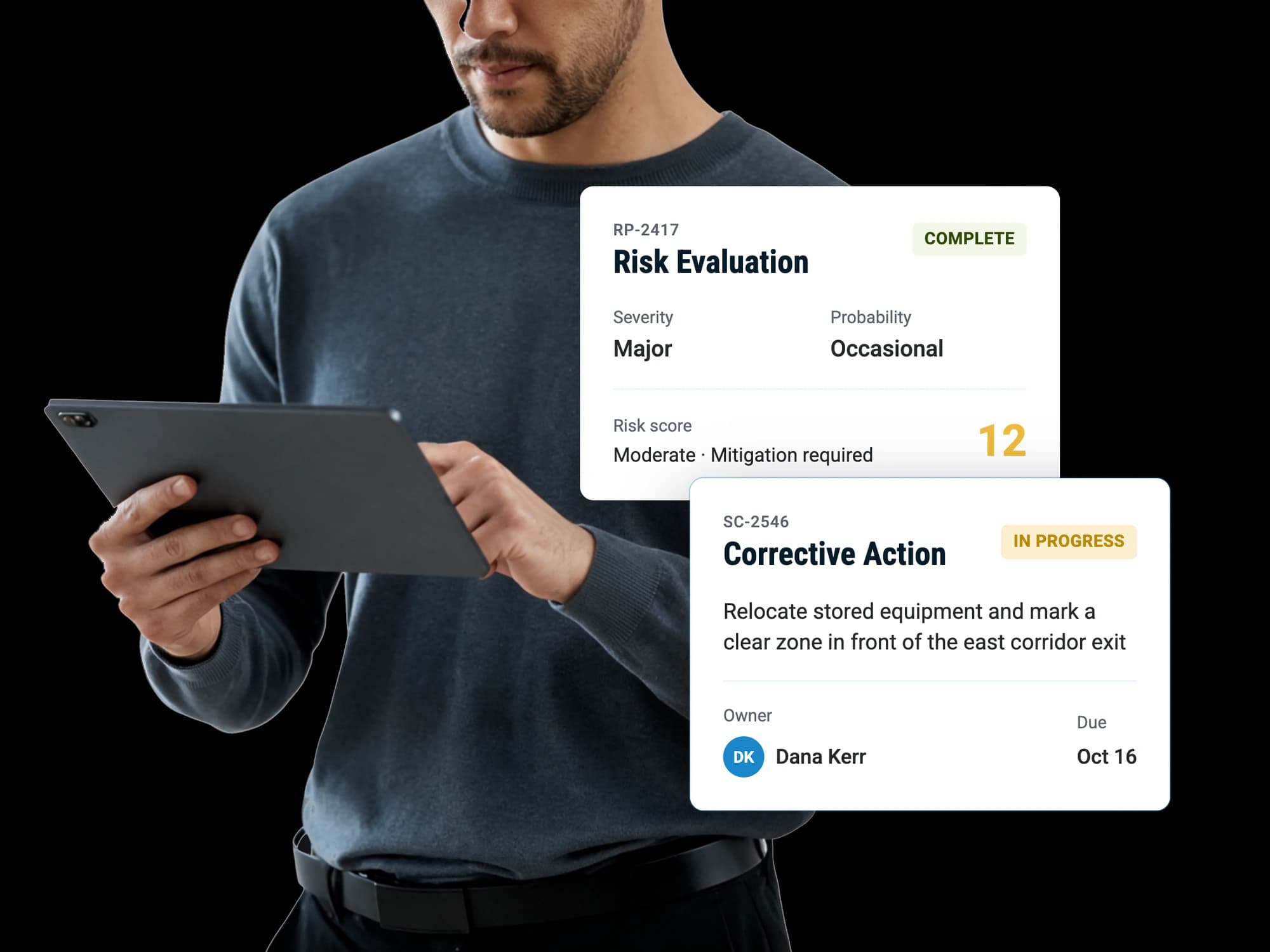
Methods for tracking corrective actions
-
Systems for monitoring safety performance
None of these requirements function without reporting inputs. Even for Part 91 operators where SMS is voluntary, auditors and insurers increasingly view reporting culture as an indicator of operational maturity. These differences are often addressed when explaining how SMS applies differently to Part 91, Part 135, and Part 145 operators.
What Reporting Looks Like in Real Operations
In practice, reporting culture is shaped by daily interactions rather than formal policy statements.
Examples of effective reporting culture include:
-
A pilot submitting a hazard report after an unstable approach without fear of blame
-
A maintenance technician documenting a procedural workaround that has become normalized
-
A dispatcher reporting scheduling pressure that increases fatigue risk
-
A line employee reporting a near-miss on the ramp that caused no damage
In each case, operational safety improves only if the report is acknowledged, reviewed, and used to adjust controls. Silence from management after submission undermines future reporting faster than overt discipline.
Common Misunderstandings About Reporting Culture
Several misconceptions limit the effectiveness of reporting systems in business aviation.
Reporting means reporting errors Effective reporting includes hazards, conditions, and system weaknesses, not only mistakes. Overemphasis on error reporting discourages participation.
More reports mean worse safety In mature SMS environments, increased reporting often indicates improved safety awareness. A drop in reports without explanation may indicate fear or disengagement.
Anonymous reporting solves trust issues Anonymity can help initially, but long-term trust depends on visible, fair responses to reports. Anonymous systems without feedback still fail over time.
Reporting is the safety department’s responsibility Reporting culture is an organizational attribute. Leadership behavior, operational pressure, and peer responses influence participation more than procedures.
What Good Reporting Culture Looks Like When Done Well
A healthy reporting culture is observable without reviewing policy manuals.
Indicators include:
-
Consistent reporting across roles and departments
-
Reports that describe conditions and contributing factors
-
Clear linkage between reports and corrective actions
-
Periodic communication about lessons learned
-
Stable or increasing reporting volume over time
In such environments, reporting feeds broader safety objectives, a relationship often discussed in guidance on what makes a good hazard report in aviation and how SMS helps identify systemic risk patterns.
How Technology Supports Reporting Culture
Technology does not create reporting culture, but it can reinforce or undermine it.
Modern SMS platforms can support effective reporting by:
-
Reducing friction in report submission
-
Allowing flexible report types and narratives
-
Providing visibility into report status
-
Supporting trend analysis and feedback loops
-
Maintaining confidentiality and access control
When reporting systems are difficult to access or perceived as administrative burdens, participation declines. When systems support timely review and communication, reporting becomes part of normal operations rather than an exception.
Differences Across Operator Types
Reporting culture manifests differently depending on regulatory context and operational scale.
-
Part 91 operators often rely on informal communication. Formalizing reporting requires careful attention to trust and workload.
-
Part 135 operators face increasing regulatory scrutiny. Reporting systems must support compliance without discouraging openness.
-
Part 145 repair stations manage technical and human factors risk. Reporting culture directly affects maintenance quality and error prevention.
-
Training organizations and airports involve multiple stakeholders. Clear reporting pathways help manage shared risk.
Understanding these differences is essential when implementing reporting processes aligned with regulatory expectations and operational realities.
Looking Ahead
The link between reporting culture and operational safety will continue to strengthen as regulators, insurers, and operators rely more heavily on internal safety data. As SMS adoption expands across business aviation, reporting culture will remain a primary determinant of whether safety management systems deliver meaningful risk reduction or remain procedural exercises.
Organizations that invest in trust, clarity, and follow-through create reporting systems that support safer operations over time. Those that treat reporting as a compliance task miss the core purpose of SMS and the opportunity to manage risk before it becomes an event.