· 7 min read
Safety Management System vs Traditional Safety Programs: What’s the Difference?
By Michael Sidler, Founder, RISE

Safety Management System vs Traditional Safety Programs: What’s the Difference?
In business aviation, the terms “Safety Management System” and “traditional safety program” are often used interchangeably. They are not the same. While both are intended to reduce risk and prevent accidents, they differ significantly in structure, purpose, and effectiveness. Understanding the difference between a Safety Management System vs traditional safety programs is essential for operators who want to meet regulatory expectations and manage risk in a disciplined, repeatable way.
A traditional safety program is typically a collection of safety-related activities. These may include manuals, training, checklists, inspections, and reactive reporting. A Safety Management System in business aviation is a formal, organization-wide framework that integrates safety into everyday operations, decision-making, and accountability. SMS shifts safety from a compliance exercise to a managed system with defined processes, feedback loops, and leadership oversight.
This distinction matters because regulators, auditors, and industry standards increasingly expect operators to demonstrate how safety risks are identified, assessed, mitigated, and monitored over time. Documentation alone is no longer sufficient.
What Is a Traditional Safety Program?
Traditional safety programs evolved over decades as aviation organizations responded to accidents, incidents, and regulatory findings. These programs are usually built around compliance and operational discipline.
Common characteristics include:
-
A safety manual that describes policies and procedures
-
Initial and recurrent safety training
-
Incident and accident reporting
-
Periodic audits or inspections
-
Corrective actions after events occur
In many organizations, these elements exist in isolation. Reports may be filed, but not consistently analyzed. Audits may be completed, but findings are not always tracked to closure. Training may occur annually without clear linkage to current risk exposure.
Traditional safety programs tend to be reactive. Action is taken after something goes wrong, or after an audit identifies a deficiency. While this approach can prevent repeat events, it does little to identify emerging risks before they lead to incidents.
What Is a Safety Management System?
A Safety Management System is a structured, proactive approach to managing safety risk. Under FAA 14 CFR Part 5 and ICAO Annex 19, SMS is defined by four interdependent components that work together as a system rather than as separate activities.
A Safety Management System in business aviation includes:
-
Defined safety policies and accountability
-
Formal hazard identification and risk assessment
-
Ongoing safety assurance and performance monitoring
-
Safety promotion through training, communication, and culture
Unlike traditional programs, SMS requires operators to document how safety decisions are made, who is responsible, and how effectiveness is measured. The system is designed to function continuously, not only after an event or inspection.
A useful foundation for understanding this structure is often found in explanations of the four pillars of SMS and how they interact in daily operations.
Key Differences Between SMS and Traditional Safety Programs
Structure and Integration
Traditional safety programs are often collections of tools and documents. SMS is an integrated framework. In an SMS, hazard reports, audits, risk assessments, and training all feed into a single safety picture that leadership can review and act upon.
Proactive vs Reactive Risk Management
Traditional programs respond to known problems. SMS emphasizes hazard identification before an event occurs. This includes operational hazards, organizational risks, and changes in the operating environment.
Accountability and Governance
In SMS, safety accountability is clearly defined, including the role of the Accountable Executive. Responsibilities are documented, authority is established, and safety decisions are traceable. Traditional programs often rely on informal ownership by a safety manager without formal authority.
Measurement and Feedback
SMS requires operators to monitor safety performance over time. This includes tracking trends, evaluating mitigations, and verifying that corrective actions are effective. Traditional programs may document actions but rarely measure outcomes.
Why This Difference Matters in Business Aviation
Business aviation operations are diverse. Flight departments, charter operators, maintenance organizations, training providers, and airports all operate under different constraints and regulatory requirements. Traditional safety programs struggle to scale across this complexity.
A Safety Management System provides a common structure that adapts to different operation types while maintaining consistency. For example:
-
A Part 91 flight department can formally assess risks associated with new destinations or aircraft types
-
A Part 135 operator can manage operational control risks across multiple crews and schedules
-
A Part 145 repair station can systematically track maintenance errors and human factors trends
Regulators increasingly expect this level of structure. While not all operators are yet required to comply with Part 5, many are expected to align with its principles, especially during audits or safety evaluations.
**Operators often explore this topic further when reviewing **how SMS applies differently to Part 91, Part 135, and Part 145 operators.
How Traditional Safety Programs Operate in Practice
Consider a common scenario in a traditional safety program. A crew submits an incident report after a runway excursion. The safety manager files the report, updates a spreadsheet, and issues a reminder to crews about runway conditions. The immediate issue is addressed, but the underlying factors may not be fully analyzed.
There may be no formal risk assessment, no linkage to similar events, and no structured follow-up to verify whether the corrective action reduced risk. Over time, similar events may continue to occur.
Traditional programs depend heavily on individual effort and institutional memory. When key personnel change, knowledge is often lost.
How SMS Works in Real-World Operations
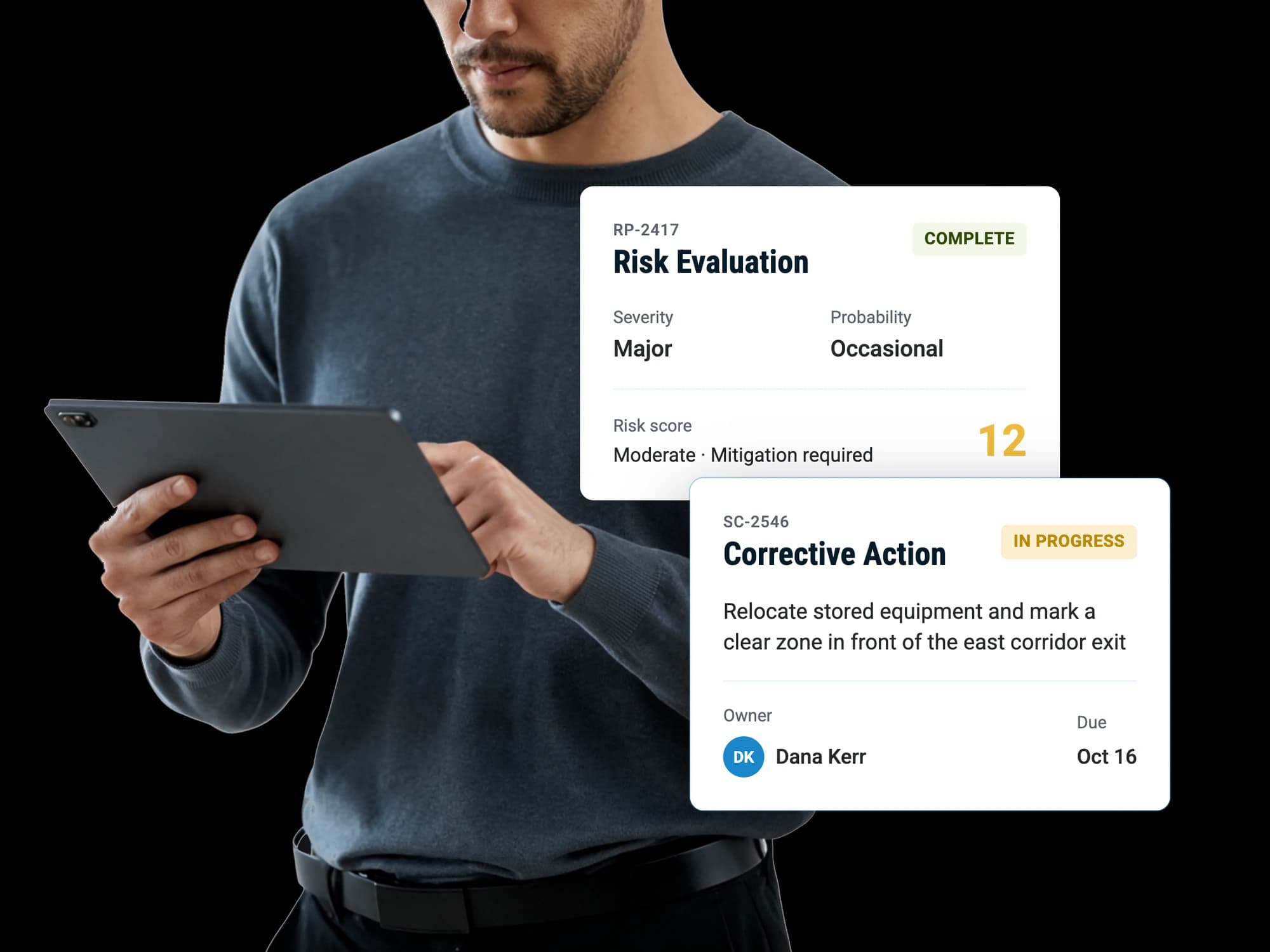
In an SMS environment, the same event would trigger a structured process. The hazard is documented, risk is assessed using defined criteria, and contributing factors are analyzed. Mitigations are assigned to specific owners with timelines.
Safety assurance processes then monitor whether the mitigations are effective. Trends are reviewed during safety meetings, and leadership is informed through formal reporting channels.
This approach allows operators to identify patterns across events, even when individual occurrences appear unrelated. Many operators find value in understanding how SMS helps identify systemic risk patterns across operations.
Common Misunderstandings About SMS
SMS Is Just More Paperwork
SMS does require documentation, but its purpose is to support decision-making, not to create administrative burden. When implemented correctly, SMS replaces informal processes with clear, repeatable ones.
SMS Replaces Experience and Judgment
SMS does not eliminate professional judgment. It provides a structured way to apply that judgment consistently across the organization.
SMS Is Only for Large Operators
SMS scales to the size and complexity of the operation. Smaller operators may have fewer hazards and simpler processes, but the same principles apply.
Having Manuals Means You Have SMS
Documentation alone does not constitute SMS. Regulators and auditors look for evidence that the system is active, monitored, and continuously improved.
What Good SMS Implementation Looks Like
A well-functioning Safety Management System is visible in everyday operations. Hazards are reported regularly without fear of blame. Risk assessments are part of operational planning. Safety data is reviewed routinely, not only after incidents.
Leadership understands current risk exposure and participates in safety decision-making. Corrective actions are tracked and verified. Training is aligned with identified risks rather than generic requirements.
Auditors can follow a clear trail from policy to practice. This alignment is often described in guidance on what auditors look for in an SMS program.
Regulatory Context and Expectations
FAA 14 CFR Part 5 establishes the framework for SMS in certain operations, particularly Part 135. While Part 91 operators may not be formally required to implement SMS, many adopt it voluntarily to meet industry expectations or customer requirements.
ICAO Annex 19 provides the international foundation for SMS concepts, emphasizing safety as a managed system rather than a collection of rules. These principles influence audits, standards, and best practices worldwide.
Operators transitioning from traditional safety programs to SMS often benefit from reviewing guidance on when an operator actually needs an SMS and how regulatory expectations evolve.
The Role of Technology in Supporting SMS
Modern SMS platforms help operators manage the volume and complexity of safety data. Technology can support hazard reporting, risk assessments, trend analysis, and corrective action tracking.
The key value of technology is not automation for its own sake, but visibility and consistency. When data is centralized and structured, organizations can identify trends earlier and verify that mitigations are working.
Technology does not replace leadership or accountability. It supports the processes defined by the SMS framework and enables scalability as operations grow.
Looking Ahead
The difference between a Safety Management System vs traditional safety programs reflects a broader shift in aviation safety philosophy. Safety is no longer viewed solely as compliance or reaction. It is managed through structured processes, leadership engagement, and continuous feedback.
As regulatory expectations continue to mature, operators who understand and implement SMS principles are better positioned to manage risk, demonstrate oversight, and adapt to operational change. The transition requires effort, but it provides a clearer, more resilient approach to safety management in business aviation.