· 6 min read
Common Misconceptions About SMS in Private Aviation
By Michael Sidler, Founder, RISE

A Safety Management System in business aviation is often misunderstood. Many private and corporate operators associate SMS with airline level bureaucracy, regulatory burden, or software driven compliance exercises that do not reflect the realities of smaller or non airline operations. These misconceptions can delay adoption, weaken implementation, or result in programs that exist on paper but provide little operational value.
Common Misconceptions About SMS in Private Aviation is a topic that continues to surface as more Part 91, Part 135, Part 145, and related operators evaluate their safety programs. The reality is that SMS is neither new nor optional in many contexts, and it is not reserved for large fleets or complex organizations. When properly understood, SMS is a practical framework for identifying hazards, managing risk, and supporting informed decision making across a wide range of aviation activities.
This article addresses the most common misunderstandings about SMS in private aviation, explains why they persist, and clarifies what effective implementation looks like in real world operations.
What Is a Safety Management System in Business Aviation?
A Safety Management System in business aviation is a formal, organization wide approach to managing safety risk. It integrates policies, processes, and practices into day to day operations so that safety is managed proactively rather than reactively.
Under FAA 14 CFR Part 5, SMS is structured around four interrelated components: Safety Policy, Safety Risk Management, Safety Assurance, and Safety Promotion. ICAO Annex 19 reflects the same framework and intent, emphasizing hazard identification, risk assessment, performance monitoring, and continuous improvement.
SMS does not replace operational discipline, standard operating procedures, or regulatory compliance. It provides a structure for understanding how those elements interact, where risk accumulates, and how decisions can be improved before an event occurs.
Misconception 1: SMS Is Only for Airlines or Large Operators
One of the most persistent misconceptions is that SMS is designed only for airlines or large charter operators with dedicated safety departments. This belief often leads smaller Part 91 or single aircraft operators to assume SMS does not apply to them.
In reality, SMS scales to the size and complexity of the operation. FAA guidance explicitly recognizes that SMS should be appropriate to the nature of the organization. A corporate flight department operating two aircraft does not need the same level of documentation or staffing as a multi base Part 135 operator, but the underlying principles remain the same.
Hazard reporting, risk assessment, and safety oversight exist in every operation, whether they are formalized or not. SMS provides a consistent structure for activities that already occur, often informally.
Misconception 2: SMS Is Just a Regulatory Checkbox
Another common misunderstanding is that SMS exists primarily to satisfy regulators or auditors. This perspective frames SMS as a compliance exercise rather than a management system.
While regulatory compliance is an outcome of SMS, it is not the purpose. A program built solely to pass an audit often focuses on documentation rather than performance. This can result in policies that are disconnected from operations and risk assessments that are completed only when required.
In business aviation, SMS is most effective when it supports operational decision making. For example, risk assessments tied to changes in staffing, maintenance practices, or flight profiles can inform leadership decisions long before an audit occurs. This distinction is often explored when comparing Safety Management Systems and traditional safety programs.
Misconception 3: SMS Requires a Full Time Safety Manager
Many private operators assume that SMS cannot be implemented without hiring a full time safety professional. While dedicated safety leadership can add value in complex organizations, it is not a prerequisite for SMS.
In smaller operations, safety responsibilities are often shared among roles such as the Director of Operations, Chief Pilot, or Maintenance Manager. SMS provides clarity around those responsibilities and establishes processes that support consistency.
FAA guidance does not require a full time safety manager for SMS compliance. What is required is defined accountability, management involvement, and effective processes. Practical approaches to implementing SMS without adding headcount are often discussed in guidance focused on resource constrained operations.
Misconception 4: SMS Is Mostly About Paperwork
SMS is sometimes viewed as a documentation heavy system that produces manuals, forms, and reports with limited operational relevance. This perception often stems from poorly implemented programs where documentation is created without operational integration.
Documentation is a tool, not the objective. Policies define expectations, procedures describe how work is done, and records provide evidence that processes are functioning. When documentation is disconnected from actual practices, it becomes burdensome.
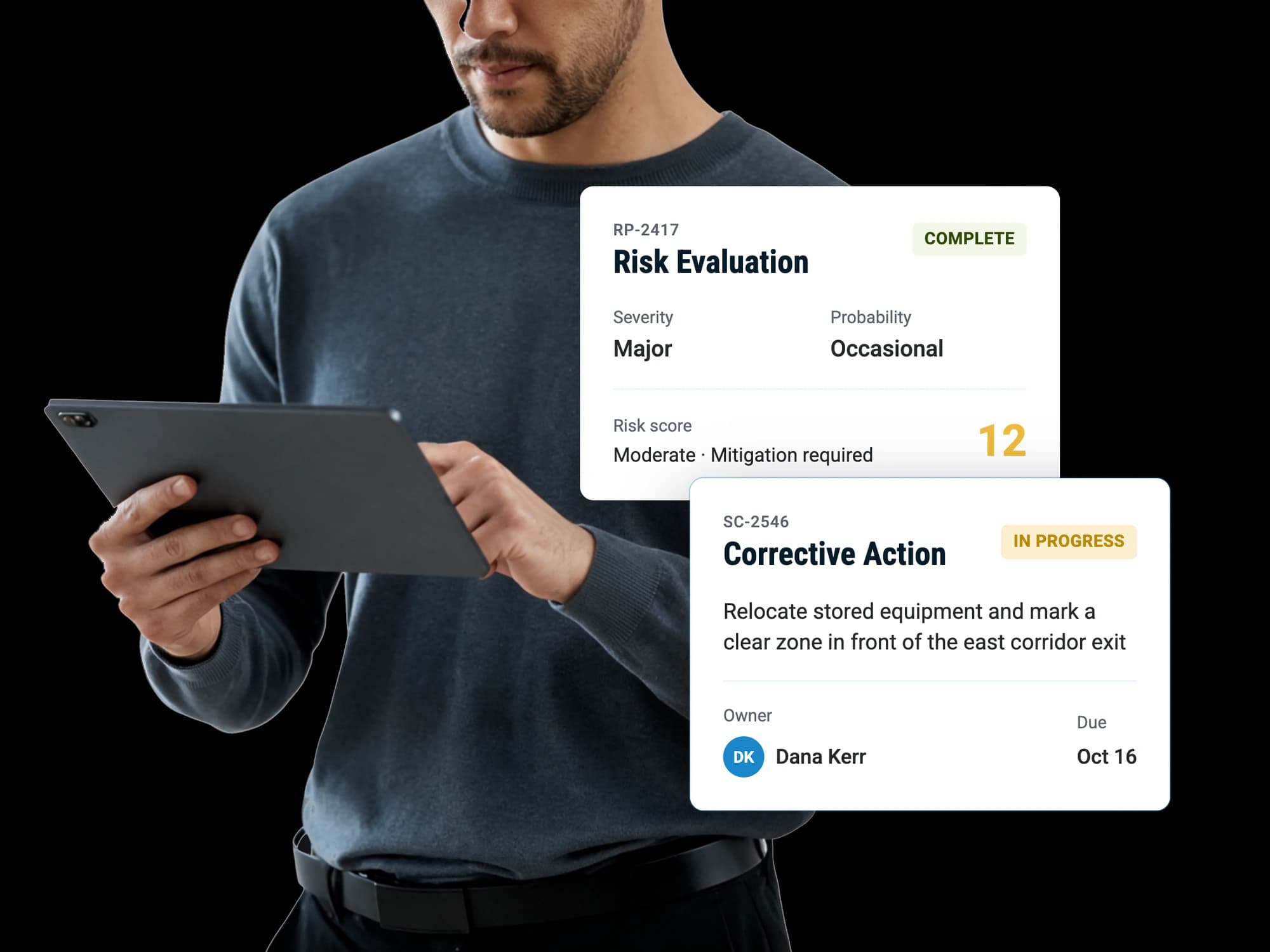
In effective SMS programs, documentation supports decision making. Hazard reports lead to risk assessments. Risk assessments inform mitigations. Safety assurance activities verify that mitigations are working. Each step has a practical purpose tied to real operations.
Misconception 5: SMS Replaces Compliance and SOPs
Some operators worry that SMS will override existing procedures or introduce conflicting requirements. In reality, SMS does not replace compliance obligations or standard operating procedures.
SMS operates alongside regulatory compliance and operational controls. It provides a framework for identifying where procedures may be unclear, outdated, or insufficient to manage risk. When gaps are identified, SMS supports structured improvement rather than informal workarounds.
For example, if repeated hazard reports identify confusion around maintenance release procedures, SMS provides a mechanism to analyze the issue, update guidance, and verify effectiveness. The underlying compliance requirement remains unchanged.
Misconception 6: SMS Is Too Abstract for Daily Operations
SMS concepts such as hazard identification, risk assessment, and safety performance indicators can appear abstract to pilots, technicians, or dispatch personnel. This can create resistance if SMS is presented as theoretical rather than practical.
In business aviation, SMS works best when it is grounded in familiar operational activities. Hazard reporting can be as simple as documenting unstable approaches, equipment issues, or procedural ambiguities. Risk assessments can be focused on specific changes such as new aircraft types, expanded routes, or staffing adjustments.
Clear examples and consistent application help demystify SMS. Over time, personnel begin to see SMS as a structured way to address issues they already recognize.
How SMS Works in Real World Private Aviation Operations
In practice, SMS in private aviation often centers on a small number of recurring processes:
Hazard identification through voluntary reporting and operational feedback Risk assessment tied to operational changes or identified hazards Management review of safety data and trends Corrective actions and mitigations assigned and tracked Periodic evaluation of system effectiveness
These processes do not require large datasets or complex analytics to be effective. Consistency, management involvement, and follow through matter more than volume.
For a Part 91 corporate flight department, this might involve quarterly safety reviews focused on recent flights, maintenance activity, and upcoming changes. For a Part 135 operator, it may include formal risk assessments for new clients or destinations. For a Part 145 repair station, SMS may focus heavily on human factors, shift handovers, and quality assurance findings.
What Good SMS Implementation Looks Like
A well implemented Safety Management System in business aviation shares several common characteristics:
Leadership understands and supports SMS objectives Roles and responsibilities are clearly defined Hazard reporting is encouraged and acted upon Risk assessments are relevant and proportionate Safety assurance activities verify real performance Safety promotion reinforces expectations and learning.
Good SMS programs evolve over time. They start simple, focus on key risks, and mature as the organization gains experience. They are reviewed and adjusted as operations change.
Technology and SMS Without Overreliance
Modern SMS platforms can support consistency, data organization, and traceability. They can simplify reporting, standardize risk assessments, and support trend analysis. However, technology does not replace sound safety management.
SMS software is most effective when it reinforces good processes rather than attempting to compensate for unclear roles or lack of engagement. Operators should view technology as an enabler, not the foundation of their SMS.
Forward Looking Perspective on SMS in Private Aviation
As regulatory expectations evolve and operational complexity increases, misconceptions about SMS become more costly. Private aviation operators that view SMS as a practical management tool rather than a regulatory obligation are better positioned to adapt to change, demonstrate oversight, and manage risk proactively.
Understanding what SMS is and what it is not is a critical first step. By addressing these common misconceptions, operators can focus on building systems that support safety performance, operational resilience, and informed decision making across all segments of business aviation.