· 7 min read
What Makes an SMS Sustainable Long-Term
By Michael Sidler, Founder, RISE

A Safety Management System in business aviation is considered sustainable long-term when it continues to function as intended after the initial implementation effort fades. A sustainable SMS does not rely on constant external pressure, individual heroics, or short-term compliance pushes. Instead, it becomes part of how the organization manages risk, makes decisions, and adapts to change over time.
What makes an SMS sustainable long-term is not complexity, documentation volume, or software alone. Sustainability comes from alignment between leadership intent, operational reality, regulatory expectations, and the day-to-day behaviors of the people doing the work. When those elements remain aligned as the operation evolves, the SMS continues to provide value rather than becoming an administrative burden.
This article explains what sustainability means in the context of an SMS, why it matters in business aviation, and how operators can recognize whether their SMS is positioned to endure beyond its initial rollout.
What does “sustainable” mean in the context of an SMS?
In SMS terms, sustainability means the system continues to identify hazards, assess risk, implement controls, and monitor effectiveness over time without requiring extraordinary effort to keep it alive. A sustainable SMS remains functional through changes in personnel, fleet size, mission profiles, and regulatory oversight.
Sustainability does not mean the SMS never changes. In fact, a sustainable SMS is expected to evolve. What remains consistent is the underlying structure, accountability, and flow of safety information.
An SMS that only functions during audits, leadership transitions, or regulatory deadlines is not sustainable. An SMS that continues to operate during routine operations, high workload periods, and organizational change is.
Why SMS sustainability matters in business aviation
Business aviation operations often operate with lean staffing, high mission variability, and close operational coupling between leadership and frontline personnel. These characteristics make sustainability especially important.
Unlike large Part 121 operators, many Part 91, 135, and 145 organizations cannot absorb an SMS that requires constant manual upkeep or dedicated teams to maintain basic functionality. When an SMS is perceived as extra work rather than an operational support tool, it quickly degrades.
From a regulatory perspective, FAA 14 CFR Part 5 emphasizes continuous safety assurance, hazard identification, and management accountability. These elements assume the SMS is ongoing, not episodic. ICAO Annex 19 reinforces the expectation that safety management processes remain active throughout the life of the operation.
In practical terms, an unsustainable SMS creates risk. Hazards stop being reported, corrective actions stall, and leadership loses visibility into emerging trends. Over time, the system becomes a paper exercise that no longer reflects actual operational risk.
What foundational elements support long-term SMS sustainability?
Several core elements consistently appear in SMS programs that endure.
Management accountability that does not drift
Sustainable SMS programs have clearly defined safety accountabilities that remain stable over time. The Accountable Executive understands their role under Part 5 and does not delegate safety ownership entirely to a safety manager or consultant.
When leadership treats SMS as an organizational responsibility rather than a departmental task, the system is more resilient to personnel changes. This concept is often introduced early when defining what a Safety Management System in business aviation actually is, but its long-term importance is frequently underestimated.
Integration with normal operations
An SMS becomes fragile when it exists parallel to operations instead of within them. Sustainable systems are embedded into existing workflows such as flight planning, maintenance planning, training, and change management.
For example, hazard identification is tied to routine operational activities rather than separate reporting campaigns. Risk assessments are aligned with real operational decisions, not abstract scoring exercises.
This integration reduces friction and makes SMS activity a byproduct of doing the job rather than an additional task.
Practical safety objectives and performance monitoring
Sustainable SMS programs use safety objectives and safety performance indicators that reflect operational reality. Objectives are limited in number, clearly defined, and periodically reviewed.
Performance monitoring focuses on trends and effectiveness rather than raw activity counts. This aligns closely with Safety Assurance expectations under Part 5 and supports the ability to identify systemic risk patterns over time.
When performance monitoring becomes overly complex or disconnected from decision-making, engagement declines and sustainability suffers.
How does SMS sustainability differ across Part 91, 135, and 145 operations?
The fundamentals of sustainability remain the same, but how they are applied varies by operational context.
In Part 91 flight departments, sustainability often depends on leadership continuity and simplicity. Systems that require extensive documentation or frequent manual updates are difficult to maintain with limited staff.
Part 135 operators face additional regulatory scrutiny and operational tempo. Sustainable SMS programs in this environment tend to emphasize standardized processes, clear role definitions, and consistent follow-up on corrective actions.
Part 145 repair stations often struggle with sustainability when SMS processes are layered on top of existing quality systems without clear integration. Successful programs align SMS hazard reporting, internal evaluations, and corrective actions with existing quality workflows.
Understanding how SMS applies differently across these operational contexts helps avoid unrealistic expectations that undermine long-term viability.
What does SMS sustainability look like in real-world operations?
In practice, a sustainable SMS shows up in small, consistent behaviors rather than dramatic initiatives.
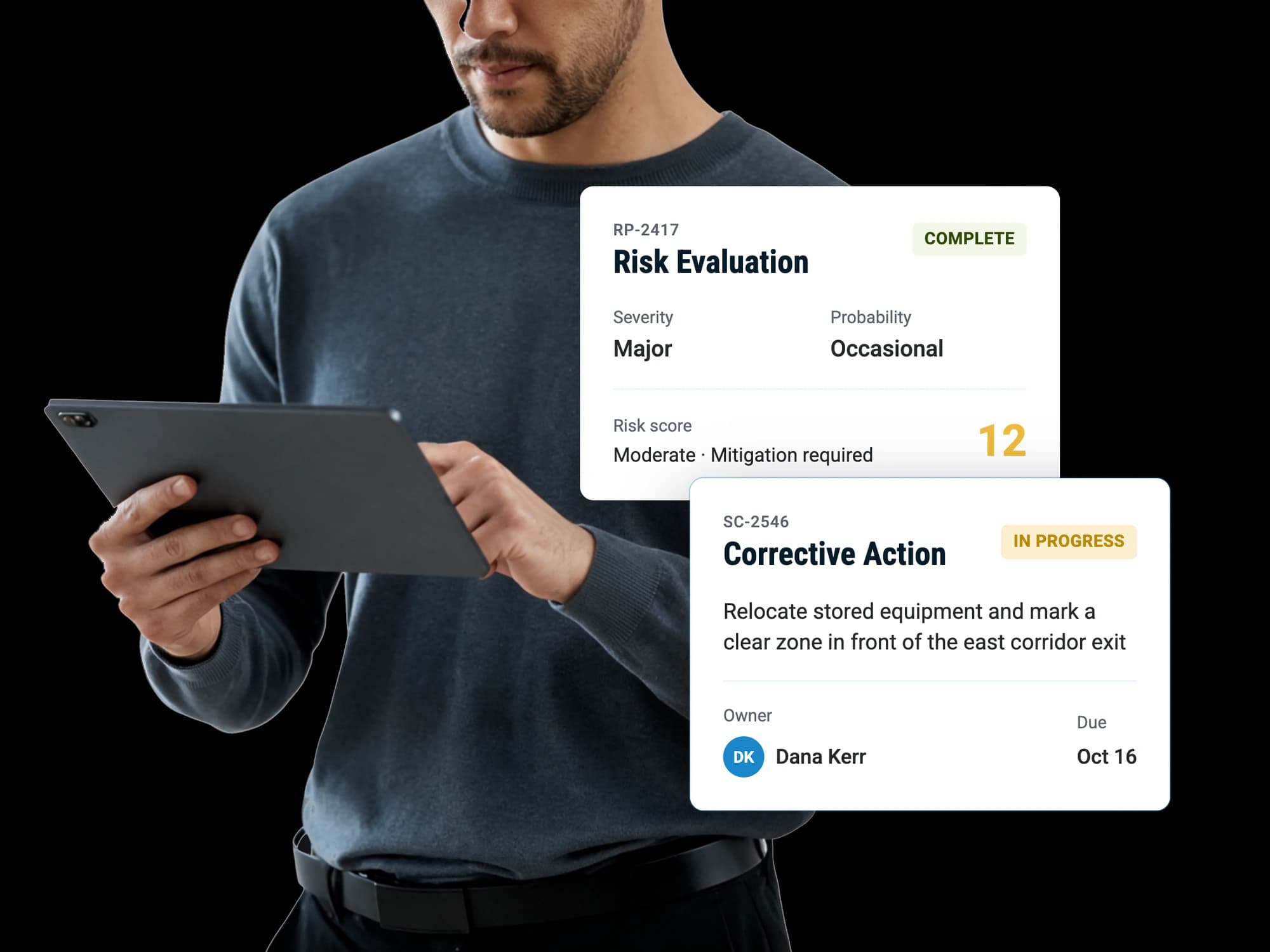
Hazard reports continue to be submitted without reminders. Safety meetings reference current data rather than outdated reports. Corrective actions are tracked to closure and revisited when conditions change.
When new aircraft, routes, or maintenance activities are introduced, the SMS naturally becomes part of the conversation. Risk assessments are performed because they inform decisions, not because they are required by a procedure.
Over time, the system builds institutional knowledge. Trends become visible. Lessons learned are retained even when individuals leave.
Common reasons SMS programs fail to sustain
Many SMS programs start with good intentions but lose momentum. Several patterns appear repeatedly.
One common issue is overbuilding the system during implementation. Excessive documentation, complex scoring models, or too many performance indicators create maintenance burdens that outlast initial enthusiasm.
Another frequent problem is treating SMS as a compliance project rather than a management system. When the primary goal is to satisfy auditors, sustainability depends on audit cycles instead of operational need.
Lack of feedback also undermines sustainability. When personnel submit reports but never see outcomes, trust erodes. Reporting volume declines, and the system becomes silent.
Finally, turnover without knowledge transfer can destabilize an SMS. Programs that rely heavily on one individual rather than shared processes are particularly vulnerable.
What does “good” look like when SMS is sustainable?
A sustainable SMS is often quieter than an unstable one. It does not require constant promotion or enforcement. It operates with a predictable rhythm.
Documentation is current but not excessive. Roles are understood. Data is reviewed at appropriate intervals and informs decisions at the right level.
Audits and external reviews confirm what leadership already knows rather than revealing surprises. The SMS evolves deliberately through management of change processes rather than reactive fixes.
Importantly, a sustainable SMS remains credible. Personnel believe that reporting matters and that the system reflects real operational risk.
How does technology support long-term SMS sustainability?
Technology alone does not make an SMS sustainable, but it can either support or hinder sustainability.
Modern SMS platforms can reduce administrative workload by automating tracking, reminders, and data aggregation. When used appropriately, they help maintain continuity during personnel changes and provide consistent access to safety information.
However, technology that is overly complex or poorly aligned with operations can accelerate fatigue. Sustainable use of technology focuses on enabling core SMS functions such as hazard reporting, risk assessment, and safety assurance without introducing unnecessary steps.
The most effective implementations treat software as infrastructure, not as the SMS itself. The system remains driven by people and processes, with technology supporting consistency and visibility.
This distinction is often explored when discussing what to look for in aviation SMS software, but its long-term implications are sometimes overlooked during selection.
How does SMS sustainability relate to continuous improvement?
Sustainability and continuous improvement are closely linked. An SMS that cannot sustain basic functions cannot improve meaningfully.
Continuous improvement under Part 5 and ICAO Annex 19 depends on stable processes that can be measured and refined. Sustainable systems provide reliable data over time, allowing organizations to distinguish between normal variation and emerging risk.
Improvement efforts are then targeted and proportional. Changes are evaluated, documented, and monitored, reinforcing the system rather than disrupting it.
Summary: Sustainability is an outcome, not a feature
What makes an SMS sustainable long-term is not a single policy, tool, or person. Sustainability emerges when leadership accountability, operational integration, practical processes, and appropriate technology remain aligned over time.
In business aviation, where operations evolve and resources are often limited, sustainability is the difference between an SMS that exists on paper and one that actively manages risk. A sustainable Safety Management System in business aviation continues to support decision-making, regulatory compliance, and safety culture long after implementation is complete.