· 4 min read
SMS Key Element No 4: Hazard Identification
By Michael Sidler, Founder, RISE

The Small Things Always Matter
Serious safety incidents rarely happen out of the blue. There’s almost always a lead-up, small decisions made under pressure, shortcuts that seemed harmless, or early warning signs that were easy to overlook. Maybe it was a mislabeled fluid bottle, a headset that had been taped together one too many times, or a checklist item missed without anyone noticing. On their own, these moments may not seem significant. But together, they tell a story. And hazard identification is what makes it possible to catch that story before it becomes a crisis.
But for any of this to work, your people have to feel safe enough to speak up. That’s where a lot of organizations fall short. They build systems, create policies, and draft reporting forms, but they forget that culture comes first. If your team doesn’t believe that reporting hazards is welcomed, valued, and acted on, the system will fail no matter how well it’s built.
More Than a Form, It’s a Shared Responsibility
One of the biggest misconceptions about hazard identification is that it belongs to one department or is the responsibility of one person. It doesn’t. It belongs to the entire operation. Pilots, maintenance techs, dispatchers, instructors, ramp crew, vendors, even passengers, all of them have a role to play. Hazards don’t always present themselves in the obvious places. They don’t just show up during audits or after-the-fact investigations. They show up in the quiet, routine moments when someone notices that something’s not quite right.
And when those observations are captured consistently, they become a powerful tool. Patterns start to emerge. Risks can be assessed and addressed early. Interventions become proactive instead of reactive. But that only happens if your team trusts the process.
"Trust is fragile. It breaks quickly when reporting is seen as burdensome, ineffective, or even risky."
That trust is fragile. It breaks quickly when reporting is seen as burdensome, ineffective, or even risky. If a pilot reports a safety concern and never hears back, they’re less likely to report the next one. If a tech’s submission leads to blame instead of action, they’ll think twice before speaking up again. And if a hazard report gets buried in a system that no one checks, people stop believing their voice makes a difference.
Where Hazard Reporting Gets Stuck
Too often, hazard reporting is treated like paperwork, something to be done if there’s time, or only when it feels serious enough. But the small issues are the ones that matter most. They’re the ones that show up first, long before a bigger incident makes headlines.
Unfortunately, many teams face barriers that keep them from reporting at all. Sometimes it’s fear, fear of getting someone in trouble, fear of retaliation, fear of looking careless. Other times it’s just poor design. Reporting forms are hard to find, logins are forgotten, or the process takes too long. And then there’s the silent killer, apathy. People speak up once, see nothing change, and quietly decide it’s not worth it.
That’s when you stop hearing about the small stuff. You get fewer reports. The ones you do get are only submitted after something has already gone wrong. And the issues that once could have been caught early are left to grow unnoticed.
Building a Culture Where People Speak Up
When hazard identification is working, it doesn’t feel like an event. It’s routine. It’s built into the way your team operates. Someone notices something, and they report it, no hesitation, no second-guessing. They trust the system. They trust their leaders. They trust that reporting leads to action.
That kind of environment doesn’t happen on its own. It’s shaped by leadership and reinforced daily. It starts by making reporting easy. Whether someone is at a desk or walking the ramp, they should be able to access a form in seconds. QR codes, open links, and mobile-friendly tools eliminate friction. Anonymous options should be clearly available, and actually used. When someone submits a report, they should receive acknowledgment, even if the full resolution takes time. That one follow-up message shows the system is listening.
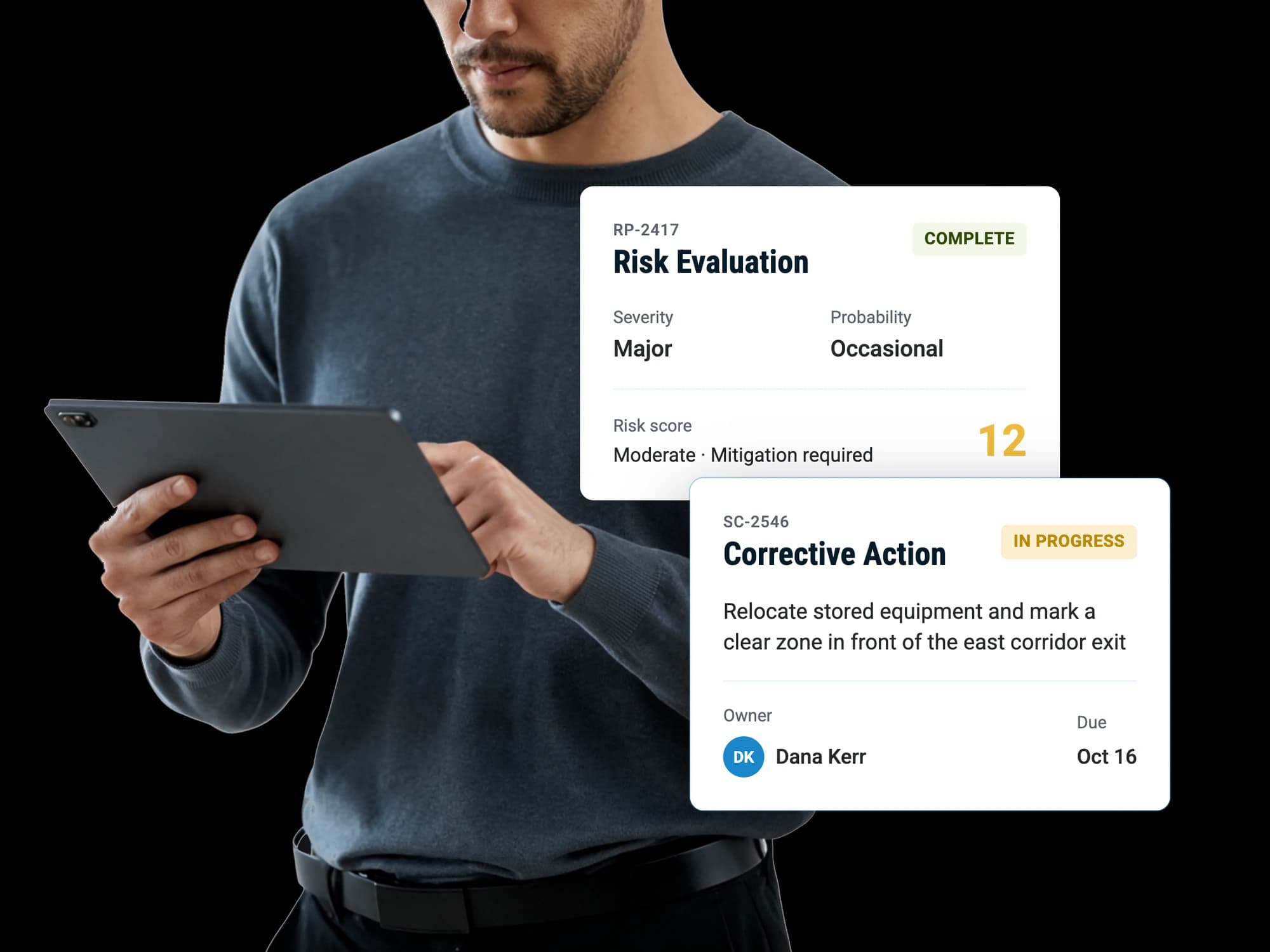
More importantly, teams need to see their reports driving real outcomes. Hazard submissions shouldn’t disappear into a folder. They should be linked to investigations, discussed in safety meetings, and referenced when decisions are made. When the team sees that even minor concerns are being tracked, analyzed, and addressed, they start to believe that the system works.
This is what makes hazard reporting the heartbeat of a proactive safety culture. It creates visibility across departments. It shapes procedures. It influences training. And it ensures that your operation isn’t reacting to risk, it’s staying ahead of it.
Final Thought
Hazard identification is often seen as a first step. But in many ways, it’s the foundation. It’s what keeps small problems from becoming big ones. It’s how your team contributes to the safety conversation in real time. And it’s where your SMS either earns trust, or loses it.
"The strength of your program isn’t just in how easy it is to submit a report. It’s in what happens after."
The strength of your program isn’t just in how easy it is to submit a report. It’s in what happens after. When your team sees that their input leads to acknowledgment, investigation, and change, they keep speaking up. And when that happens consistently, safety becomes part of your operation, not a department, not a form, but a habit.
Want to see how RISE makes hazard identification easier?
We’ve built our Safety Hazard Reporting module to remove friction and encourage input, no login required, no bottlenecks, no guesswork.
Book a demo or start your free trial to see how it works.