· 6 min read
How to Get Buy-In from Pilots for SMS Reporting
By Michael Sidler, Founder, RISE

How to get buy-in from pilots for SMS reporting is one of the most common challenges faced by operators implementing a Safety Management System in business aviation. Even well-designed SMS programs struggle when pilots view reporting as optional, risky, or disconnected from real operational value. The issue is rarely a lack of professionalism or safety awareness. More often, it stems from unclear expectations, historical mistrust, or poorly implemented processes.
Pilot buy-in is not achieved through mandates, reminders, or training slides alone. It is earned through consistent leadership behavior, credible protections, practical feedback, and visible operational relevance. When pilots understand why reporting exists, how it is used, and how it benefits flight operations without personal consequence, participation increases naturally.
This article explains what pilot buy-in really means in the context of SMS reporting, why it matters in business aviation, and how operators can create the conditions where reporting becomes routine, trusted, and useful.
What Pilot Buy-In Means in an SMS Context
In an SMS environment, pilot buy-in refers to the voluntary and consistent participation of pilots in hazard reporting, safety observations, and risk identification processes. It does not mean perfect compliance or constant reporting. It means pilots understand the purpose of reporting, trust the system, and believe their input matters.
Under FAA 14 CFR Part 5 and ICAO Annex 19, reporting systems are foundational to Safety Risk Management and Safety Assurance. However, regulations cannot compel meaningful participation. Pilots can submit reports that are vague, defensive, or incomplete if trust is absent. True buy-in results in reports that are timely, specific, and operationally useful.
Buy-in also includes a shared understanding that reporting is a normal part of professional airmanship. It is not a disciplinary tool, a paperwork exercise, or a signal of poor performance.
Why Pilot Buy-In Matters in Business Aviation
Business aviation environments differ significantly from airline operations. Smaller teams, closer working relationships, and informal communication channels can either support or undermine SMS reporting.
In many Part 91 and Part 135 operations, pilots fly with the same crewmembers, interact directly with management, and operate without the anonymity of large organizations. This proximity can increase hesitation to report issues involving peers, procedures, or leadership decisions.
Without pilot buy-in, the SMS relies on lagging indicators such as incidents or audit findings. Hazards remain informal conversations rather than documented data. Trends go unnoticed. Management decisions are made without a complete understanding of operational risk.
This is especially relevant when understanding what is a Safety Management System in business aviation, where proactive identification of hazards is a core expectation rather than a secondary activity.
How SMS Reporting Is Intended to Work
SMS reporting is designed to capture hazards before they result in incidents. This includes unsafe conditions, procedural gaps, environmental factors, human performance issues, and organizational pressures.
In practice, pilots should be able to report:
-
Operational hazards observed during flight or ground operations
-
Near-misses and safety concerns
-
Procedural inconsistencies or unclear guidance
-
External factors affecting safety margins
Under Part 5, reporting systems must be confidential, accessible, and supported by non-punitive policies. ICAO Annex 19 further emphasizes a just culture, where honest errors are treated differently from willful violations.
When implemented correctly, reporting feeds into risk assessment, mitigation development, and safety assurance activities. Pilots see changes occur as a result of their input, reinforcing trust in the process.
Common Barriers to Pilot Participation
Most resistance to SMS reporting is not ideological. It is practical and cultural.
Fear of Blame or Discipline
Pilots may worry that reports will be used to question judgment, proficiency, or professionalism. Past experiences with punitive responses, even outside the current organization, strongly influence reporting behavior.
If corrective actions are perceived as disciplinary rather than systemic, reporting will decline.
Lack of Feedback
When reports disappear into a system with no visible outcome, pilots assume they are ignored. Silence communicates that reporting is low priority or merely a compliance requirement.
Overly Complex Reporting Processes
Long forms, unclear categories, or cumbersome interfaces discourage participation. Pilots are unlikely to report minor hazards if the process feels burdensome or time-consuming.
Unclear Expectations
If management does not clearly define what should be reported, pilots may assume only serious incidents qualify. This limits the system to reactive data rather than proactive insight.
Cultural Signals from Leadership
Leadership behavior carries more weight than policy statements. If leaders dismiss reports verbally, minimize concerns, or bypass the system themselves, pilots notice.
What “Good” Looks Like When Buy-In Is Established
In organizations with strong pilot buy-in, reporting is routine and unremarkable. Pilots submit reports without hesitation and without excessive justification.
Characteristics of effective reporting cultures include:
-
Consistent use of reporting tools across the organization
-
Reports that focus on conditions and processes rather than individuals
-
Follow-up communication that explains outcomes or decisions
-
Leadership acknowledgment of reported issues in safety meetings
-
Clear separation between safety reporting and disciplinary processes
Pilots in these environments understand what makes a good hazard report in aviation and see reporting as a contribution to collective safety rather than personal exposure.
Practical Ways to Build and Maintain Pilot Buy-In
Establish and Enforce a Just Culture Policy
A just culture policy must be more than a document. It must be applied consistently and transparently. Pilots need to see that honest reporting does not result in punishment and that accountability is applied fairly when appropriate.
Consistency matters more than perfection. One perceived violation of just culture can undo years of trust-building.
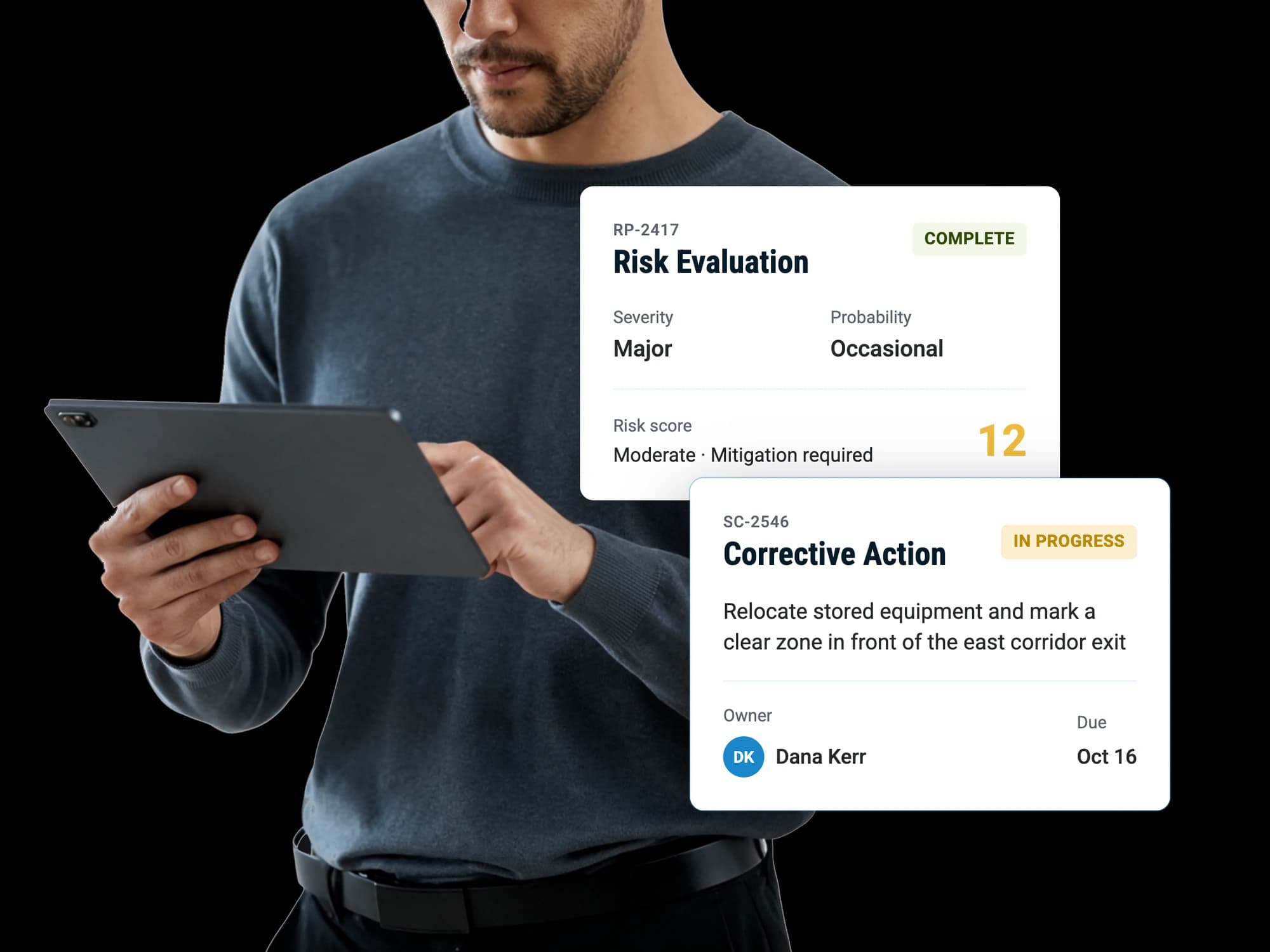
Close the Feedback Loop
Every report deserves acknowledgment. Not every report requires action, but every report requires communication.
Feedback can be simple:
-
Confirmation that the report was received
-
Explanation of why no action was taken
-
Summary of mitigations implemented
-
Request for clarification or additional context
When pilots see that reporting leads to informed decisions, participation increases.
Make Reporting Easy and Relevant
Reporting systems should match operational realities. Short, clear forms with aviation-specific language encourage participation. Mobile access and offline capability support reporting in real-world conditions.
Ease of use is not a convenience feature. It is a safety enabler.
Use Reports to Drive Visible Change
When changes are made based on reports, communicate that connection clearly. This reinforces the value of reporting and demonstrates management commitment.
Examples include procedural updates, training adjustments, or changes to scheduling practices.
Set Clear Reporting Expectations
Define what should be reported and why. Encourage reporting of hazards, not just outcomes. This aligns with how SMS helps identify systemic risk patterns rather than isolated events.
Differences Across Part 91, 135, and 145 Operations
While the principles are consistent, implementation varies.
Part 91 operators often rely on informal communication. Formal reporting systems must be positioned as supportive rather than bureaucratic.
Part 135 operators face regulatory scrutiny and must demonstrate functional reporting systems. Buy-in is critical to meeting SMS requirements without creating defensive reporting.
Part 145 repair stations involve mixed workforces, including technicians and inspectors. Pilot reporting may focus on operational interfaces with maintenance rather than internal processes.
Understanding how SMS applies differently to Part 91, Part 135, and Part 145 operators helps tailor reporting expectations appropriately.
The Role of Technology in Supporting Pilot Buy-In
Modern SMS platforms can support pilot buy-in by reinforcing good practices rather than replacing them.
Technology can:
-
Simplify reporting workflows
-
Enable confidential or anonymous submissions
-
Track feedback and follow-up actions
-
Identify trends across multiple reports
-
Provide transparency into risk management decisions
However, technology cannot compensate for poor culture. Tools should support trust, clarity, and accountability rather than obscure decision-making.
Operators evaluating what to look for in aviation SMS software should focus on usability, transparency, and alignment with operational needs rather than feature volume.
Forward-Looking Summary
Pilot buy-in for SMS reporting is not achieved through enforcement or persuasion alone. It develops when reporting is safe, useful, and respected. In business aviation, where relationships are close and operations are nuanced, trust is the primary driver of participation.
When pilots believe reporting improves safety without personal risk, they engage willingly. When leadership listens, responds, and acts consistently, reporting becomes part of normal operations.
A mature Safety Management System in business aviation depends on this foundation. Buy-in is not a milestone to reach once. It is an ongoing condition that must be maintained through leadership behavior, operational relevance, and disciplined follow-through.