· 7 min read
How Technology Changes Safety Reporting Behavior
By Michael Sidler, Founder, RISE
How technology changes safety reporting behavior is a practical question for any organization operating a Safety Management System in business aviation. Reporting behavior is not driven by policy alone. It is shaped by how easy it is to submit a report, how safe the reporter feels, how quickly the organization responds, and whether reports lead to visible improvements. Technology influences each of these factors, sometimes in subtle ways that operators do not immediately recognize.
In business aviation, safety reporting has historically depended on paper forms, emails, or informal verbal reports. These methods can work, but they often introduce friction, delay, and inconsistency. As organizations adopt digital tools and SMS software, reporting behavior tends to change. More reports are submitted, the content of reports evolves, and safety data becomes more useful for identifying risk. Understanding why this happens is essential for safety managers, accountable executives, and auditors evaluating SMS effectiveness.
This article explains how technology affects safety reporting behavior, why those changes matter under FAA 14 CFR Part 5 and ICAO Annex 19, and what effective implementation looks like in real-world operations.
What Is Safety Reporting Behavior in an SMS Context
Safety reporting behavior refers to how often personnel submit reports, what they choose to report, how detailed those reports are, and when they submit them. In a Safety Management System in business aviation, reporting behavior directly affects hazard identification, risk assessment, and safety assurance.
Under FAA 14 CFR Part 5, operators are expected to have processes that allow employees to report hazards, incidents, and safety concerns without fear of retribution. ICAO Annex 19 reinforces this expectation by emphasizing voluntary, non-punitive reporting as a foundation of proactive safety management. Technology does not create reporting behavior on its own, but it strongly influences how these regulatory expectations are met in practice.
Reporting behavior is shaped by four practical factors:
-
Accessibility of reporting tools
-
Perceived effort required to submit a report
-
Trust in how reports are handled
-
Feedback and follow-up after submission
Technology affects all four.
Why Reporting Behavior Matters in Business Aviation
Business aviation environments differ from large airline operations. Smaller teams, mixed roles, and less formal organizational structures are common. A single individual may act as pilot, manager, and safety advocate. These conditions make reporting behavior especially sensitive to friction and workload.
If reporting requires logging into a desktop computer, finding the right form, and writing a long narrative, many hazards go unreported. This is not due to poor safety culture. It is usually a practical decision made during busy operations. Over time, underreporting limits an operator’s ability to detect trends, evaluate risk, and demonstrate SMS effectiveness during audits.
For Part 135 operators, reporting behavior has regulatory implications as SMS requirements continue to mature. For Part 145 repair stations, maintenance personnel often work across shifts and locations, which increases the importance of simple and consistent reporting tools. Part 91 operators may not be required to have a formal SMS, but reporting behavior still influences how effectively risk is managed.
How Technology Lowers the Barrier to Reporting
One of the most significant ways technology changes safety reporting behavior is by reducing friction. When reporting tools are accessible on mobile devices, tablets, or shared terminals, reports are submitted closer to the time of the event. This improves accuracy and completeness.
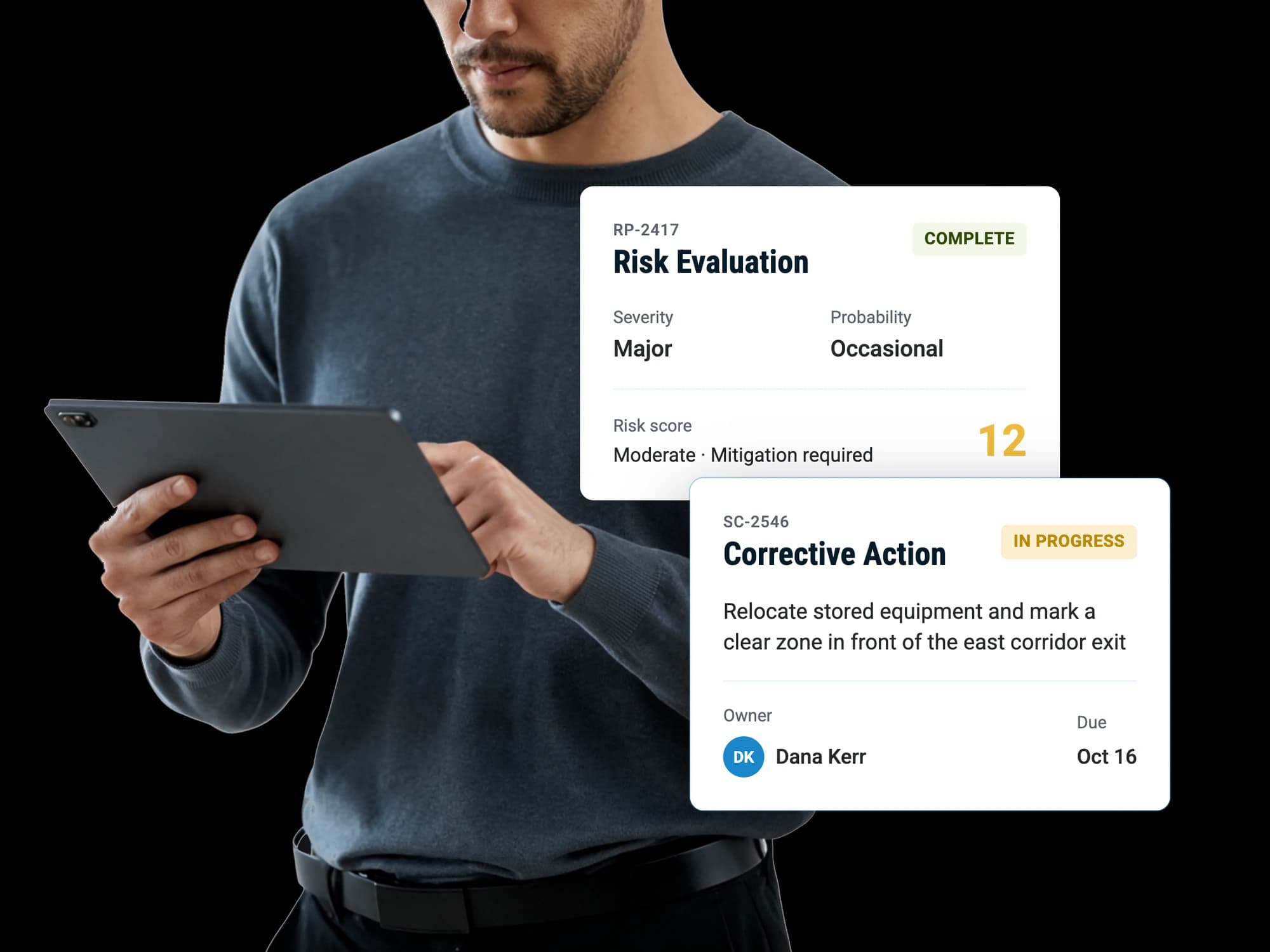
Digital forms can guide reporters through required fields, prompting for key information such as location, phase of operation, and contributing factors. This structure helps personnel who may be unsure what qualifies as a reportable hazard. Over time, reporters become more confident in submitting meaningful information rather than limiting reports to obvious incidents.
Technology also standardizes reporting across departments. Flight crews, maintenance technicians, and ground personnel can use the same system, which supports consistent data collection. This consistency is critical for later analysis under the safety assurance processes described in Part 5.
Anonymity and Trust in Reporting Systems
Technology has a strong influence on perceived anonymity. In traditional reporting systems, anonymity is often promised but difficult to guarantee. Handwritten forms, emails, or verbal reports may unintentionally reveal the reporter’s identity.
Modern SMS platforms can separate reporter identity from report content, or allow anonymous submissions while still enabling follow-up when needed. When personnel trust that the system protects them, reporting behavior changes. Reports increase, and the content becomes more candid. Issues related to human factors, procedural deviations, or organizational pressures are more likely to surface.
This aligns with ICAO Annex 19 principles around just culture and voluntary reporting. Technology supports these principles by making anonymity credible rather than theoretical.
How Reporting Content Evolves With Better Tools
As reporting becomes easier and safer, the nature of reports changes. Early reporting systems often capture only major incidents or regulatory non-compliances. With improved technology, operators begin to see reports related to minor hazards, unsafe conditions, and near misses.
This shift is important. Part 5 emphasizes proactive hazard identification rather than reactive incident response. Technology enables this by encouraging reporting before an event escalates. Reports become shorter, more frequent, and more operationally focused.
For example, a pilot may submit a brief report about repeated confusion with a checklist item or a poorly worded procedure. A maintenance technician may report tool control challenges during night shifts. Individually, these reports may appear minor. Collectively, they reveal patterns that warrant attention.
This evolution in reporting content supports the goals discussed in articles such as What Makes a Good Hazard Report in Aviation and How SMS Helps Identify Systemic Risk Patterns.
Practical Examples From Real-World Operations
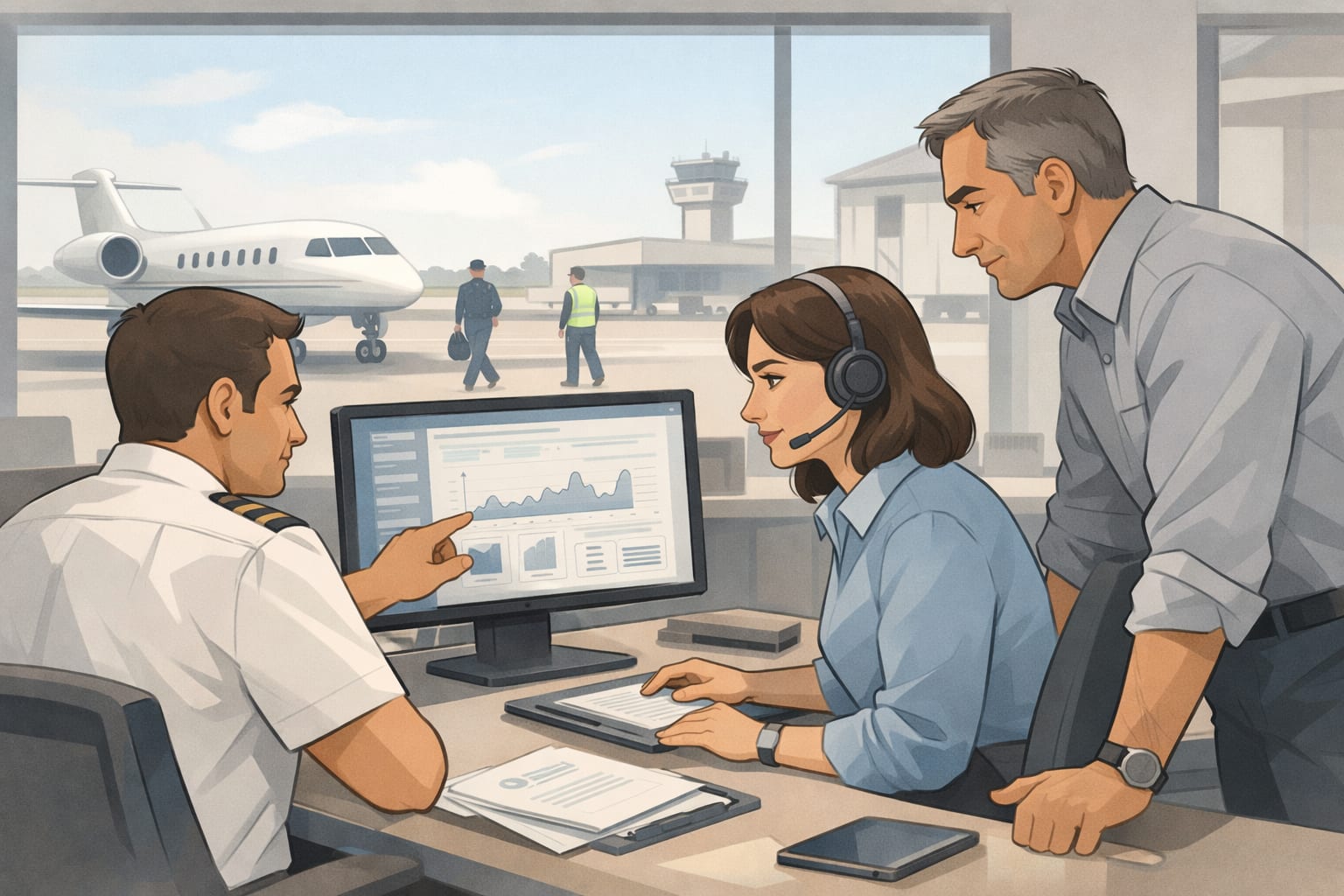
In flight operations, mobile reporting tools allow crews to submit reports immediately after shutdown, while details are fresh. This reduces reliance on memory and improves accuracy. Reports submitted closer to the event often include environmental conditions, workload factors, and decision-making context that would otherwise be lost.
In maintenance environments, shared terminals or tablets in hangars allow technicians to report hazards without leaving the work area. This supports reporting of unsafe conditions, tooling issues, or procedural gaps that may not rise to the level of an incident.
For airports and Part 139 operators, technology enables reports from multiple stakeholders, including operations staff, ARFF personnel, and contractors. This broader reporting base improves visibility into airfield hazards and operational changes.
Across all these examples, technology changes reporting behavior by aligning reporting with normal workflows rather than treating it as a separate administrative task.
Common Misunderstandings About Technology and Reporting
A common misconception is that increased reporting indicates declining safety performance. In reality, higher reporting rates often reflect improved trust and system maturity. Auditors familiar with Part 5 and ICAO Annex 19 recognize this distinction.
Another misunderstanding is that technology alone improves safety culture. Tools support reporting, but leadership response determines whether reporting behavior is sustained. If reports disappear into a system without acknowledgment or action, reporting will decline regardless of technology.
Some operators also assume that structured digital forms limit narrative detail. In practice, well-designed systems balance structure with flexibility. They prompt for key data while allowing free-text explanations where needed.
What Good Reporting Behavior Looks Like in a Mature SMS
In a mature Safety Management System in business aviation, reporting behavior has several observable characteristics:
-
Reports are submitted routinely, not only after serious events
-
Report content includes hazards, near misses, and procedural concerns
-
Reports come from multiple departments and roles
-
Submission timing is close to the event or condition
-
Reporters receive feedback on outcomes and corrective actions
Technology supports these outcomes by making reporting routine and expected. When reporting becomes part of daily operations, it strengthens safety assurance and management decision-making.
This aligns with expectations discussed in What Auditors Look for in an SMS Program and The Four Pillars of SMS Explained for Business Aviation.
How Technology Supports SMS Without Replacing Judgment
Technology supports reporting behavior, but it does not replace human judgment. Safety managers still review reports, assess risk, and determine appropriate mitigations. Digital tools help organize information, track trends, and document actions, but professional judgment remains central.
Under Part 5, operators are responsible for demonstrating that hazards are identified, risks are assessed, and controls are effective. Technology assists by providing traceability and consistency. It does not absolve the organization of responsibility.
When implemented correctly, technology becomes an enabler rather than a driver. It supports the processes defined by the SMS rather than dictating them.
A Forward-Looking View of Reporting Behavior
As business aviation operations continue to evolve, reporting behavior will remain a key indicator of SMS effectiveness. Technology will continue to shape how reports are submitted, analyzed, and acted upon. The most effective operators will focus less on the volume of reports and more on the quality of information and the strength of follow-up processes.
Understanding how technology changes safety reporting behavior allows organizations to design systems that support proactive safety management, meet regulatory expectations, and provide meaningful insight into operational risk. When reporting tools are accessible, trusted, and well-integrated into daily operations, they support the intent of both FAA 14 CFR Part 5 and ICAO Annex 19 in a practical and sustainable way.