· 6 min read
SMS Software vs Manual SMS Programs
By Michael Sidler, Founder, RISE

The question of SMS software vs manual SMS programs comes up frequently in business aviation, especially as more operators move from informal safety practices toward a structured Safety Management System in business aviation. Both approaches can meet regulatory intent if implemented correctly. The difference lies in how effectively the system functions day to day, how well safety data is captured and analyzed, and how sustainable the program is as operations grow or change.
At its core, this is not a question of compliance versus non-compliance. It is a question of capability. Manual SMS programs rely on documents, spreadsheets, and email-based workflows. SMS software uses dedicated technology to manage hazards, risks, reports, investigations, and safety performance.
Understanding the strengths and limitations of each approach helps operators make informed decisions aligned with their operational complexity, regulatory exposure, and safety objectives.
This article explains how manual and software-based SMS programs work, where each approach can succeed or struggle, and what effective implementation looks like in real-world aviation operations.
What Is a Manual SMS Program?
A manual SMS program is a Safety Management System managed primarily through static documents and general-purpose tools. These programs typically include an SMS manual, hazard reporting forms in PDF or paper format, spreadsheets for risk tracking, and shared folders for records and evidence.
Manual programs are common among smaller operators, early-stage SMS implementations, and organizations transitioning from traditional safety programs. In many cases, the SMS exists largely as documentation rather than an integrated operational process.
A manual SMS program usually includes:
-
A written SMS manual aligned with FAA 14 CFR Part 5 or ICAO Annex 19 concepts
-
Paper or PDF hazard and incident report forms
-
Risk matrices applied manually during safety reviews
-
Spreadsheets for hazard registers and corrective action tracking
-
Email-based communication for investigations and approvals
While this approach can meet baseline expectations, it depends heavily on individual discipline, institutional knowledge, and consistent administrative effort.
What Is SMS Software?
SMS software refers to a purpose-built digital system designed to support the full lifecycle of a Safety Management System in business aviation. Rather than relying on disconnected documents, the system provides structured workflows, centralized data, and traceability across all SMS pillars.
An SMS software platform typically supports:
-
Digital hazard and incident reporting
-
Structured risk assessments using defined severity and probability criteria
-
Automated hazard registers and case management
-
Corrective action tracking with ownership and status visibility
-
Safety performance monitoring and trend analysis
-
Audit readiness through organized records and evidence
The software does not replace SMS processes. It supports them by reducing administrative friction and making safety data usable over time.
Why the Difference Matters in Business Aviation
Business aviation operations are often dynamic. Aircraft types, crew assignments, maintenance arrangements, and mission profiles change frequently. This variability places a premium on timely hazard identification, consistent risk evaluation, and effective communication.
In a manual SMS program, safety data often becomes fragmented. Hazard reports may be submitted inconsistently. Risk assessments may not be documented uniformly. Trend analysis requires manual effort and is often deferred due to time constraints.
In contrast, SMS software supports continuous safety management by embedding SMS processes into daily operations. This becomes increasingly important for Part 135 operators approaching SMS mandates, Part 145 repair stations managing multiple customers, and corporate flight departments operating across varied mission profiles.
Understanding how SMS applies differently to Part 91, Part 135, and Part 145 operators is essential when evaluating whether a manual system will remain effective as regulatory expectations increase.
How Manual SMS Programs Work in Practice
In a manual system, hazard identification often depends on periodic safety meetings or reactive reporting. A pilot may submit a report via email or paper form. The safety manager logs the issue into a spreadsheet and schedules a review.
Risk assessment is usually performed during meetings rather than at the time the hazard is identified. This can delay mitigation and reduce context. Over time, spreadsheets grow complex, version control becomes difficult, and institutional knowledge resides with a small number of people.
Audits and reviews require assembling documentation from multiple locations. Evidence of follow-up actions may exist in emails rather than a centralized system. While experienced safety managers can make this work, the system is fragile and difficult to scale.
How SMS Software Functions in Daily Operations
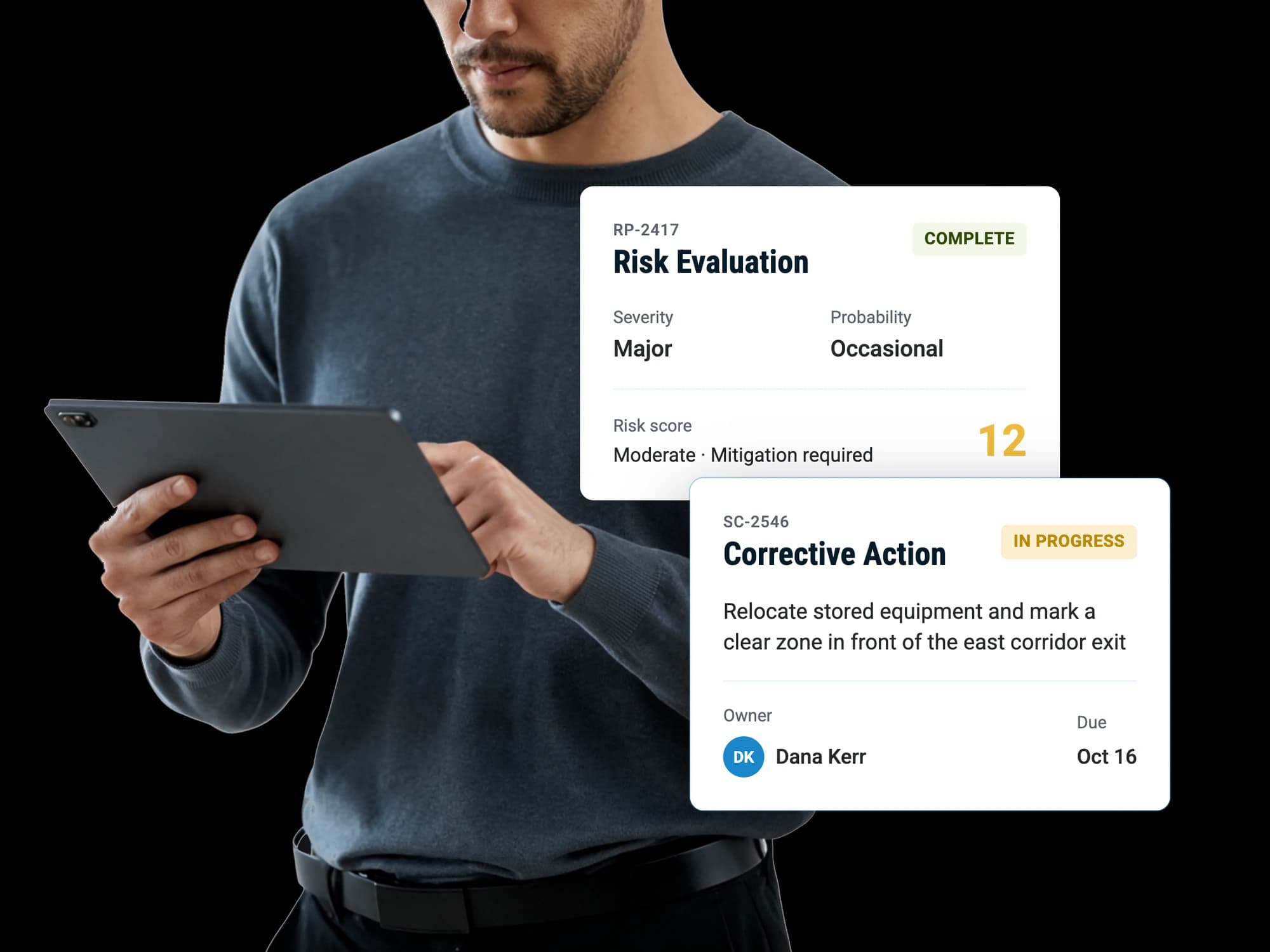
In a software-supported SMS, hazard reporting is immediate and structured. Reports enter a centralized system where they can be reviewed, classified, and assessed using consistent criteria.
Risk assessments are linked directly to hazards. Mitigations are assigned owners and tracked to completion. Safety assurance activities such as audits, inspections, and investigations feed data back into the system.
Over time, the system builds a safety data set that supports trend analysis and informed decision-making. This directly supports the intent of FAA 14 CFR Part 5, which emphasizes data-driven hazard identification and continuous improvement.
Articles such as How SMS Helps Identify Systemic Risk Patterns provide useful context for understanding why data continuity matters.
Common Misunderstandings About Manual vs Software SMS
One common misconception is that SMS software automatically makes an SMS effective. Software does not compensate for poor safety culture or weak leadership engagement. A poorly implemented SMS software system can be just as ineffective as a poorly managed manual program.
Another misunderstanding is that manual SMS programs are inherently non-compliant. Many operators successfully operate manual systems that meet regulatory expectations, particularly in lower-complexity environments.
The real distinction is not compliance but performance. Manual systems tend to degrade over time as operational demands increase. Software-based systems are designed to support sustained performance and oversight.
Where Manual SMS Programs Typically Break Down
Manual programs often struggle in the following areas:
-
Consistent hazard reporting participation
-
Timely risk assessment and mitigation tracking
-
Visibility into open safety issues
-
Trend analysis across months or years
-
Audit preparation and evidence management
These gaps become more pronounced as the number of aircraft, employees, or regulatory obligations increases. For example, Part 145 repair stations often find that manual systems cannot effectively track corrective actions across multiple audits and customers.
What “Good” Looks Like Regardless of the Tool
An effective Safety Management System in business aviation shows the same characteristics regardless of whether it is manual or software-based.
Good implementation includes:
-
Regular hazard reporting from operational personnel
-
Clear risk acceptance authority and documented decisions
-
Timely mitigation of identified risks
-
Feedback loops that inform training and procedures
-
Management review of safety performance indicators
Auditors and regulators focus on how the system functions, not the format it uses. Understanding what auditors look for in an SMS program helps clarify that the emphasis is on evidence of use, not technology alone.
How Technology Supports SMS Without Replacing Judgment
Technology plays a supporting role in SMS. It improves consistency, accessibility, and traceability. It does not replace professional judgment, operational expertise, or leadership accountability.
Modern SMS platforms help by:
-
Reducing administrative workload
-
Enforcing consistent data structures
-
Making safety information accessible across the organization
-
Supporting proactive identification of emerging risks
This support becomes especially valuable as operators approach regulatory thresholds, expand operations, or experience staff turnover that would otherwise erode institutional knowledge.
Choosing the Right Approach for Your Operation
There is no single answer for every operator. Smaller Part 91 operators with limited complexity may function effectively with a disciplined manual SMS program. Growing Part 135 operators and repair stations often find that software becomes necessary to maintain control and visibility.
The decision should be based on operational complexity, regulatory exposure, and the organization’s ability to sustain consistent SMS processes over time. Resources such as When Does an Operator Actually Need an SMS? can help frame this decision.
A Forward-Looking Perspective
The industry trend is clear. SMS expectations continue to evolve toward data-driven oversight, proactive risk management, and demonstrable safety assurance. While manual SMS programs can work under the right conditions, they place increasing strain on personnel as operations grow.
SMS software does not define safety performance, but it increasingly enables it. Operators who understand the strengths and limitations of each approach are better positioned to build a Safety Management System in business aviation that remains effective, resilient, and aligned with regulatory intent over the long term.