· 6 min read
How SMS Consultants Support Aviation Operators
By Michael Sidler, Founder, RISE

How SMS Consultants Support Aviation Operators is a practical question for many organizations that understand the value of a Safety Management System but lack the internal experience or resources to build and sustain one effectively. In business aviation, SMS consultants are commonly used to help operators interpret regulatory expectations, design practical processes, and avoid common implementation pitfalls. Their role is to support the operator’s safety objectives while ensuring the SMS remains owned and operated by the organization itself.
SMS consultants do not replace operational leadership, nor do they assume regulatory accountability. Instead, they provide structure, technical knowledge, and implementation guidance aligned with FAA 14 CFR Part 5 and ICAO Annex 19 concepts. When used correctly, consultants help operators establish an SMS that reflects how the organization actually operates, rather than a program that exists only on paper.
This article explains what SMS consultants do, why they matter in business aviation, how they support different types of operators, and what effective consultant engagement looks like in real-world operations.
What Is an SMS Consultant in Business Aviation?
An SMS consultant is an individual or organization with specialized experience in Safety Management System design, implementation, and evaluation within aviation operations. Their work is grounded in regulatory frameworks such as FAA 14 CFR Part 5 and ICAO Annex 19, as well as industry guidance from FAA advisory circulars and recognized best practices.
In a Safety Management System in business aviation, the consultant’s role typically includes interpreting regulatory expectations, helping define SMS processes, and supporting documentation and training efforts. Consultants may also assist with gap assessments, audit preparation, and corrective action planning. Importantly, they do not assume responsibility for safety decisions or regulatory compliance. Accountability remains with the operator and its accountable executive.
Consultants are often engaged on a project basis, such as initial SMS implementation, regulatory transition support, or post-audit corrective action. Others provide ongoing advisory support, particularly for smaller operators without a full-time safety manager.
Why SMS Consultants Matter in Business Aviation
Business aviation operations differ significantly from airline operations in scale, staffing, and organizational structure. Many Part 91, 135, 145, 141, and 139 operators operate with lean teams where individuals hold multiple roles. This can make it difficult to dedicate time and expertise to SMS development while maintaining day-to-day operational demands.
SMS consultants help bridge this gap by providing focused expertise without adding permanent overhead. They help operators understand what regulators expect versus what is optional or scalable. This distinction is especially important for organizations transitioning from informal safety practices to a structured Safety Management System in business aviation.
Consultants also help prevent overbuilding. A common risk in SMS implementation is adopting airline-style programs that exceed regulatory expectations and overwhelm smaller organizations. An experienced consultant can tailor SMS processes to the operator’s size, complexity, and risk profile while remaining compliant.
For many operators, this role becomes particularly important during regulatory milestones. Articles such as What Is a Safety Management System in Business Aviation? and The Four Pillars of SMS Explained for Business Aviation are often used by consultants as baseline references when aligning leadership understanding before implementation begins.
How SMS Consultants Support Different Types of Operators
Part 91 Operators
Part 91 operators are not universally required to implement an SMS, but many choose to do so to improve risk management, support IS-BAO registration, or meet customer and insurance expectations. SMS consultants working with Part 91 operators typically focus on scalability and practicality.
Consultant support often includes defining voluntary SMS scope, aligning processes with existing operational practices, and ensuring documentation is appropriate for the organization’s size. Emphasis is placed on hazard identification, safety reporting, and management involvement without introducing unnecessary administrative burden.
Part 135 Operators
For Part 135 operators, SMS implementation is mandatory under FAA 14 CFR Part 5, with defined timelines and oversight expectations. Consultants frequently support operators during initial implementation, compliance planning, and FAA acceptance activities.
In these environments, consultants help map operational processes to SMS elements, develop required documentation, and establish safety assurance activities such as internal evaluation and corrective action tracking. They may also assist in preparing for FAA surveillance and demonstrating how the SMS functions in daily operations.
The regulatory distinctions explored in How SMS Applies Differently to Part 91, Part 135, and Part 145 Operators are central to consultant-led implementation planning in mixed-certification organizations.
Part 145 Repair Stations
Repair stations face unique SMS challenges due to maintenance-specific hazards, human factors considerations, and interface with flight operations. SMS consultants working with Part 145 organizations often focus on integrating SMS into existing quality systems.
This includes aligning hazard reporting with maintenance error management, ensuring risk assessments address maintenance tasks, and linking SMS processes with corrective action systems already in place. Consultants help avoid duplication between quality and safety functions while ensuring SMS requirements are met.
Common Areas Where Consultants Add Value
SMS Gap Assessments
One of the most common consultant engagements is the SMS gap assessment. This involves evaluating existing policies, procedures, and practices against regulatory expectations. The goal is to identify what already exists, what needs to be formalized, and where gaps remain.
Effective gap assessments focus on function, not just documentation. Consultants assess whether processes are understood and used by personnel, not merely written in manuals.
SMS Design and Documentation
Consultants frequently assist with developing SMS manuals, procedures, and forms. This includes defining safety policy, roles and responsibilities, hazard reporting processes, risk assessment methodologies, and safety assurance activities.
Good consultants tailor documentation to how the organization operates rather than forcing generic templates. This approach supports long-term sustainability and audit readiness.
Training and Organizational Awareness
Another key area of support is SMS training. Consultants help develop initial and recurrent training that explains SMS concepts in operational terms. Training often focuses on reporting expectations, management responsibilities, and how SMS supports decision-making.
Effective training avoids regulatory jargon and emphasizes practical application within the Safety Management System in business aviation.
Audit and Oversight Preparation
Consultants often support operators before regulatory audits or third-party assessments. This includes internal evaluations, mock audits, and corrective action planning.
Resources such as What Auditors Look for in an SMS Program are frequently used to help organizations understand how auditors evaluate SMS effectiveness beyond simple checklist compliance.
Common Misunderstandings About SMS Consultants
One common misunderstanding is that hiring a consultant transfers responsibility for SMS compliance. Regulatory accountability always remains with the operator and its accountable executive. Consultants advise and support, but they do not make operational safety decisions.
Another misconception is that consultants are only needed for initial implementation. While many engagements are project-based, some operators benefit from ongoing advisory support, particularly during organizational change or growth.
A third misunderstanding is that consultants will deliver a fully mature SMS quickly. SMS maturity develops over time through use, feedback, and continuous improvement. Consultants help establish the framework, but effectiveness depends on internal ownership.
What Good Consultant Support Looks Like in Practice
Effective SMS consultants work collaboratively with management and frontline personnel. They spend time understanding how the organization operates and tailor recommendations accordingly. They explain regulatory intent, not just requirements, helping operators make informed decisions.
Good consultants also emphasize knowledge transfer. Their goal is to build internal capability so the organization can manage its SMS independently over time. Documentation, training, and process design are all approached with sustainability in mind.
In successful implementations, consultants gradually reduce involvement as internal roles mature. This transition supports long-term SMS ownership and cultural integration.
How Technology Supports Consultant-Led SMS Implementation
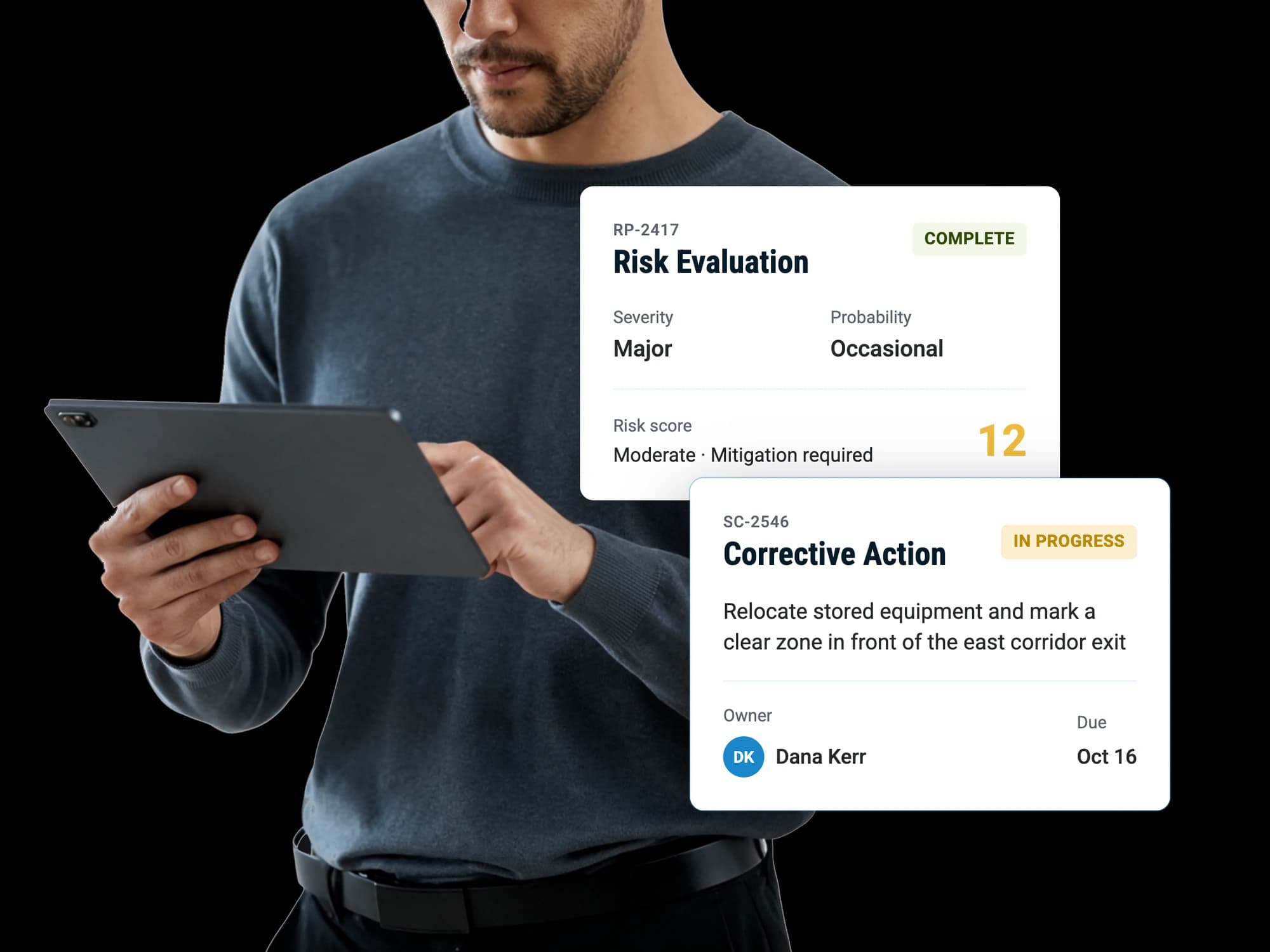
Modern SMS platforms play an important role in supporting consultant-led implementation efforts. Technology can simplify documentation management, hazard reporting, risk assessment, and data analysis. For consultants, these tools provide visibility into SMS activity and help demonstrate system performance.
Technology also supports standardization without rigidity. Configurable workflows and reporting allow consultants to align systems with regulatory expectations while preserving operational flexibility. Importantly, technology should support processes, not define them.
When used appropriately, SMS software enhances collaboration between consultants and operators by providing a shared view of SMS performance and progress.
A Forward-Looking Perspective on SMS Consultant Support
As SMS adoption continues to expand across business aviation, the role of SMS consultants will remain important. Regulatory expectations continue to emphasize system effectiveness, safety assurance, and data-driven decision-making.
Operators that engage consultants thoughtfully tend to achieve more sustainable outcomes. By focusing on internal ownership, practical implementation, and continuous improvement, consultant-supported SMS programs are better positioned to evolve alongside operational and regulatory change.
Ultimately, SMS consultants support aviation operators by providing clarity, structure, and experience. Their value lies in helping organizations build Safety Management Systems that function as intended within the realities of business aviation operations.