· 6 min read
How Anonymous Reporting Improves Safety Outcomes
By Michael Sidler, Founder, RISE
Anonymous reporting improves safety outcomes by removing barriers that prevent people from speaking up about hazards, errors, and unsafe conditions. In a Safety Management System in business aviation, anonymous reporting allows organizations to capture safety information that would otherwise remain hidden due to fear of blame, discipline, or reputational harm. When implemented correctly, it strengthens hazard identification, improves risk awareness, and supports proactive decision making.
In practical terms, anonymous reporting is a structured way for employees to report safety concerns without their identity being disclosed to management or peers. It is not about avoiding accountability. It is about ensuring that critical safety information reaches the organization before it results in an incident or accident. For operators across Part 91, 135, 145, 141, and 139 environments, anonymous reporting often becomes the foundation for a functioning reporting culture.
What Is Anonymous Reporting in an SMS Context
Anonymous reporting is a formal mechanism within an SMS that allows individuals to submit safety-related information without attaching their name or personal identifiers. Reports are typically routed to a safety function, reviewed for credibility and relevance, and then assessed for risk.
In FAA 14 CFR Part 5 terms, anonymous reporting directly supports hazard identification and safety assurance. ICAO Annex 19 reinforces this concept by emphasizing non-punitive reporting systems that encourage the free flow of safety information. Anonymous reporting is one way organizations demonstrate that principle in practice.
It is important to distinguish anonymous reporting from confidential reporting. Confidential reporting allows the organization to know who submitted the report but restricts disclosure to protect the individual. Anonymous reporting removes the identity entirely. Both can exist within the same Safety Management System in business aviation, but they serve slightly different purposes.
Why Anonymous Reporting Matters in Business Aviation
Business aviation environments often have smaller teams, flatter hierarchies, and closer working relationships than large airline operations. While these factors can support strong safety cultures, they can also increase hesitation to report concerns. In a small flight department or maintenance team, people may worry that reporting a hazard will be easily traced back to them, even if policies say otherwise.
Anonymous reporting addresses this reality directly. It gives individuals confidence that they can raise concerns without personal consequences. This is especially important for reporting issues related to human factors, procedural deviations, or leadership decisions, which are often underreported in traditional systems.
For Part 135 operators facing increasing regulatory scrutiny and approaching SMS mandate deadlines, anonymous reporting becomes a practical way to demonstrate effective hazard identification. For Part 91 operators using SMS voluntarily, it is often the difference between a paper program and one that actually improves safety outcomes. In Part 145 and Part 139 environments, anonymous reporting helps surface maintenance, ground operations, and infrastructure risks that may not be visible to management.
How Anonymous Reporting Improves Safety Outcomes
Anonymous reporting improves safety outcomes in three primary ways.
First, it increases reporting volume and diversity. When barriers are removed, organizations receive more reports and a wider range of issues. These often include early warning signs, near misses, and systemic weaknesses that do not trigger mandatory reporting thresholds.
Second, it improves data quality over time. While some anonymous reports may initially lack detail, consistent use of the system encourages better reporting habits. As employees see that reports are taken seriously and result in meaningful action, the overall quality of submissions improves.
Third, it enables earlier risk intervention. Anonymous reports often highlight hazards before they escalate. This supports proactive risk management, which is a core objective of both FAA Part 5 and ICAO Annex 19.
These outcomes align closely with the principles described in foundational guidance on what a Safety Management System in business aviation is intended to accomplish and how the four pillars of SMS work together in practice.
What Types of Issues Are Commonly Reported Anonymously
Anonymous reporting tends to capture certain categories of hazards more effectively than named systems.
Human factors issues such as fatigue, distraction, and workload are frequently reported anonymously. Individuals may hesitate to associate their name with these topics due to concerns about fitness for duty perceptions or career impact.
Procedural workarounds and informal practices are another common category. These often develop over time and may be normalized within a team. Anonymous reporting allows them to be identified without assigning blame.
Leadership and organizational issues are also more likely to surface through anonymous channels. Examples include unrealistic schedules, inadequate resources, or pressure to deviate from procedures. These reports are critical for understanding systemic risk but are rarely submitted through traditional reporting methods.
How Anonymous Reporting Works in Real-World Operations
In a practical SMS implementation, anonymous reporting follows a defined process.
A report is submitted through an approved channel, which may be paper-based or electronic. The system is designed to strip identifying information or avoid collecting it altogether. The report is then reviewed by the safety function for completeness and relevance.
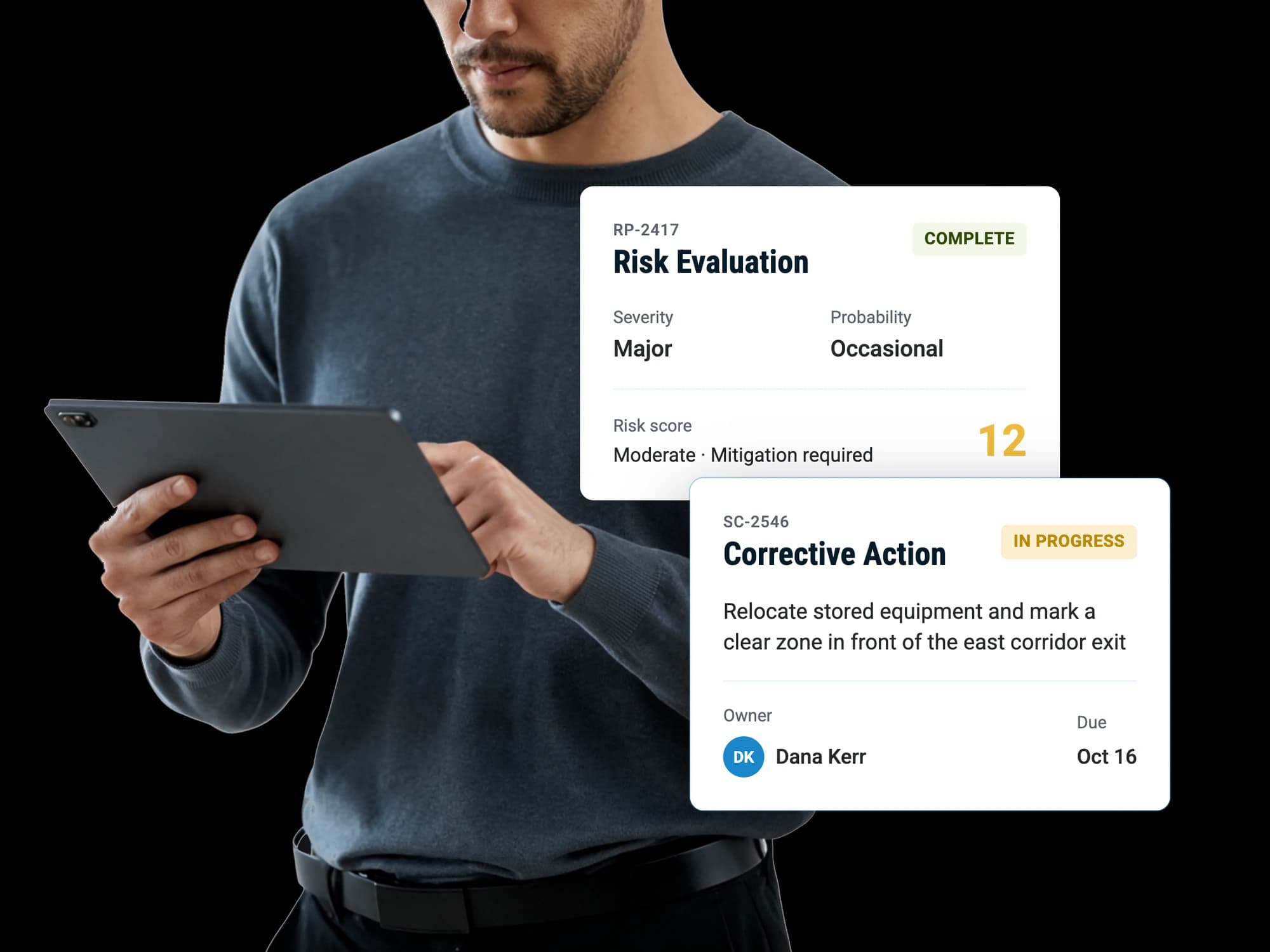
If the report identifies a credible hazard, it enters the organization’s hazard tracking and risk assessment process. The hazard is assessed for severity and probability, and appropriate mitigations are developed. Throughout this process, the focus remains on the issue, not the individual.
Feedback is a critical step. Even though the reporter is anonymous, organizations should communicate outcomes broadly. This may include safety newsletters, briefings, or aggregated trend summaries. This feedback loop reinforces trust and encourages continued reporting.
These practices are consistent with guidance on what makes a good hazard report in aviation and how SMS helps identify systemic risk patterns over time.
Common Misunderstandings About Anonymous Reporting
One common misunderstanding is that anonymous reporting encourages irresponsible or malicious reporting. In practice, this is rare. Most aviation professionals take reporting seriously and understand its purpose. Clear policies and thoughtful review processes further reduce this risk.
Another misconception is that anonymous reporting undermines accountability. Anonymous reporting does not replace accountability mechanisms. It complements them by focusing on learning and prevention rather than punishment. When intentional violations or willful misconduct are identified, organizations can still address them through appropriate channels.
Some operators believe anonymous reporting is only necessary for large organizations. In reality, smaller operations often benefit the most because interpersonal dynamics can make open reporting more difficult.
What Good Looks Like When Anonymous Reporting Is Implemented Correctly
A well-functioning anonymous reporting system has several identifiable characteristics.
Reports are acknowledged and acted upon in a timely manner. Even without knowing who submitted the report, the organization demonstrates that the information matters.
Trends are analyzed and discussed at appropriate levels. Anonymous reports are not treated as isolated events but as data points within the broader Safety Management System in business aviation.
Leadership behavior reinforces the system. Managers speak positively about reporting, avoid speculation about reporter identities, and focus discussions on risk and mitigation.
Policies are clear and consistently applied. Employees understand when and how to use anonymous reporting and how it fits within the overall SMS structure.
These characteristics are often highlighted in discussions of what auditors look for in an SMS program and how SMS applies differently to Part 91, Part 135, and Part 145 operators.
How Technology Supports Anonymous Reporting
Modern SMS platforms make anonymous reporting more accessible and effective. Digital reporting tools allow employees to submit reports from any device, at any time, without navigating complex processes.
Technology also supports data protection by separating report content from user identity and controlling access to sensitive information. Automated workflows help ensure reports are reviewed, assessed, and tracked consistently.
Importantly, technology enables better analysis. Anonymous reports can be categorized, trended, and linked to other safety data, supporting safety assurance and management review. While technology alone does not create trust, it can reinforce good processes when aligned with sound SMS principles.
Looking Ahead
Anonymous reporting remains one of the most practical tools for improving safety outcomes in business aviation. As regulatory expectations continue to evolve under FAA Part 5 and ICAO Annex 19, operators will increasingly be evaluated on how effectively they capture and act on safety information.
Organizations that treat anonymous reporting as an integral part of their Safety Management System in business aviation are better positioned to identify hazards early, manage risk proactively, and build a resilient safety culture. The goal is not anonymity for its own sake, but a system that ensures critical safety information is never lost due to fear or silence.